

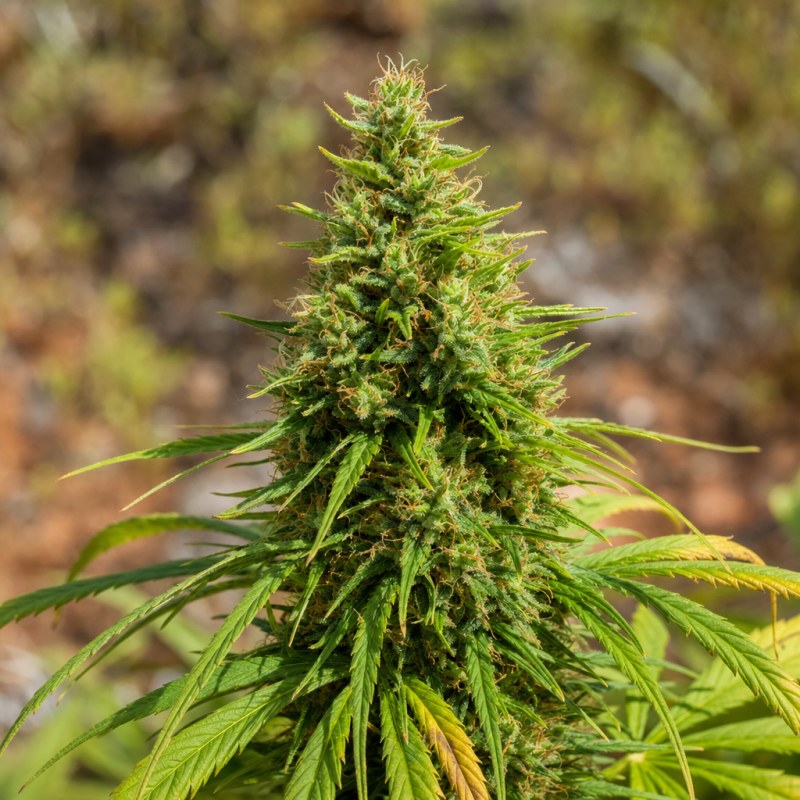
XJ-13 Seeds
XJ-13 feminised seeds have a sativa-leaning profile with earthy, sweet citrus and pine flavours, suited to intermediate growers.
Specifications
- Genetics
- Jack Herer × G13
- Climate
- Hot dry · Temperate
- Height indoor
- up to 150
- Height outdoor
- up to 190
- Yield indoor
- up to 650
- Yield outdoor
- up to 800
Effects
Flavours
Terpenes
Genetics & effects
XJ-13 is a feminised Jack Herer × G13 cross presented in the Kiwi Seed Bank catalogue. Its 60% sativa and 40% indica profile combines vigorous growth with a balanced structure. THC is listed at 15–22%, while CBD is listed at 0–0.5%.
The aromatic profile brings together earthy, fruity and sweet notes with brighter citrus, pine and mint accents. Terpinolene, pinene and caryophyllene shape its fresh, layered character. Individual experiences vary, but XJ-13 may feel energetic, creative, talkative and happy. Some people may find its lively character better suited to social or imaginative settings than quiet evenings.
Explore feminised seeds, high thc seeds, the New Zealand grow guide, and the planting calendar.
Explore feminised seeds, high thc seeds, the New Zealand grow guide, and the planting calendar.
Growing in the named country
In New Zealand, XJ-13 is best matched with warm, dry or temperate conditions. Its intermediate difficulty level makes it more suitable for growers who are comfortable managing plant height, airflow and nutrition. Spring planting generally falls between September and November, although local temperatures and frost patterns should guide timing.
Because conditions differ across Aotearoa, growers should account for their own microclimate. Warmer northern areas may offer a longer outdoor season, while cooler or wetter districts can require greater shelter and closer moisture management. Good spacing, airflow and protection from prolonged rain can reduce the risk of mould as flowers become denser.
Indoor
Indoors, XJ-13 can reach up to 150 cm and flowers in approximately 9–10 weeks. Its sativa-leaning stretch benefits from early canopy planning. Low-stress training, topping and a screen can help distribute growth across the available area, while maintaining space between branches supports light penetration and airflow.
Indoor yields are listed at up to 650 g/m² under suitable conditions. Stable temperatures, balanced feeding and consistent ventilation are important throughout flowering. As aromatic intensity increases, carbon filtration may be a useful part of the room setup. Check flowers regularly and avoid excessive humidity late in the cycle.
Outdoor
Outdoors, plants may grow up to 190 cm, so choose a sunny position with enough room for lateral branching. A well-draining medium is especially valuable in regions where spring or autumn rain is common. Support stakes or netting can help hold heavier branches as flowers develop.
Outdoor yields are listed at up to 800 g per plant in favourable conditions. These figures are best viewed as cultivation targets rather than expected outcomes, as weather, plant care, container size, soil quality and seasonal timing all influence performance.
Harvest
New Zealand’s main outdoor harvest window is March–May. Monitor flower maturity rather than relying only on the calendar, particularly in cooler districts or during unsettled autumn weather. Indoor plants are typically ready after their 9–10-week flowering period.
At harvest, careful handling helps retain the strain’s sweet citrus, pine, mint and earthy character. Dry branches slowly in a dark, ventilated space with steady environmental conditions, checking regularly for excess moisture. Once evenly dry, store flowers in clean, sealed containers away from heat and direct light.
Frequently asked questions
What THC and CBD ranges are listed for XJ-13?
The reviewed specification lists 15–22% THC and 0–0.5% CBD. These figures describe the catalogue profile; phenotype, environment and testing can change measured levels.
How long does XJ-13 take to flower?
The listed flowering window is 9–10 weeks. Actual timing can vary with phenotype and growing conditions, so use the range as a planning reference rather than a guarantee.
Which New Zealand conditions suit XJ-13?
The reviewed profile lists hot and dry and temperate conditions and a intermediate difficulty rating. Local daylight, weather, site exposure and care still influence how a plant develops.
What seed format and genetics does XJ-13 have?
XJ-13 is supplied as feminised seed and has Jack Herer × G13 genetics, with a 60% sativa and 40% indica profile.
What aroma profile can XJ-13 have?
Terpinolene, pinene and caryophyllene support earthy, fruity, sweet, citrus, pine and mint notes, although a favourite aroma is subjective and the reviewed facts do not establish flower colour or mould resistance.
What is the yield potential of XJ-13?
Yield potential is listed as up to 650 g/m² indoors and up to 800 g per plant outdoors, but these figures are not guaranteed.
Related genetics
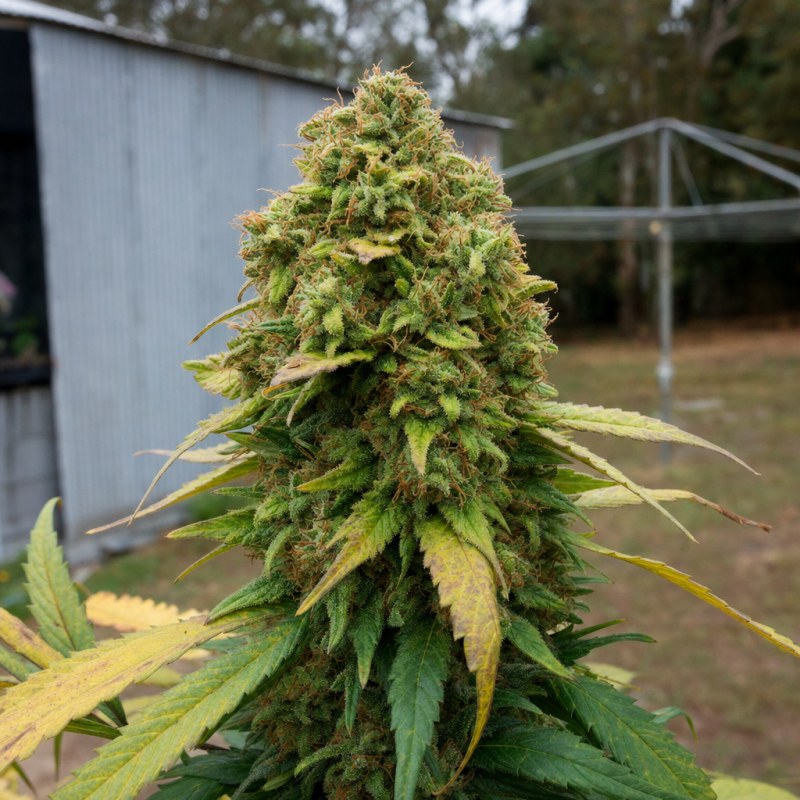
24K Gold
24K Gold feminised seeds are indica-leaning, with orange, citrus, sweet and earthy flavours. Suited to temperate or hot, dry climates.
From $79.00
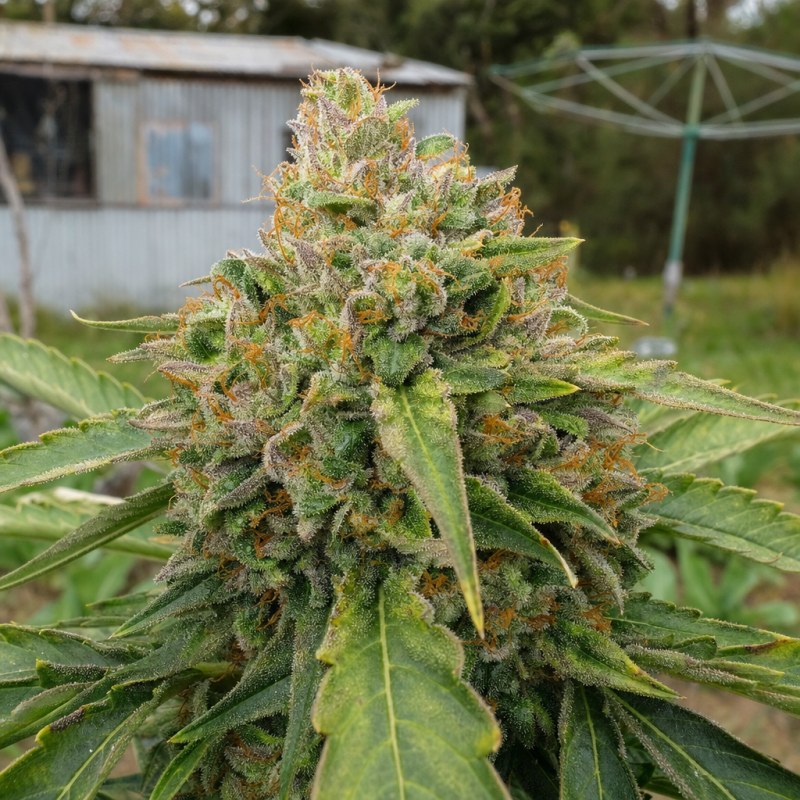
9 Pound Hammer
9 Pound Hammer feminised seeds offer an indica-dominant profile with berry, grape, citrus and earthy flavours, flowering in 7–9 weeks.
From $99.00
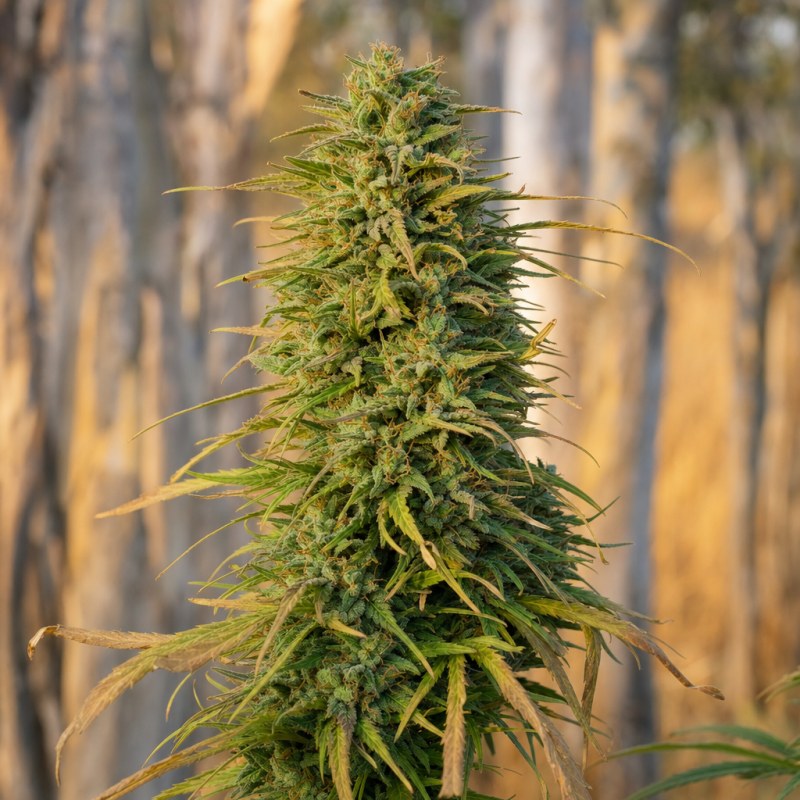
Acapulco Gold
Acapulco Gold feminised seeds offer a sativa-dominant profile with sweet citrus, lemon and fruity flavours, suited to intermediate growers.
From $89.00
ACDC
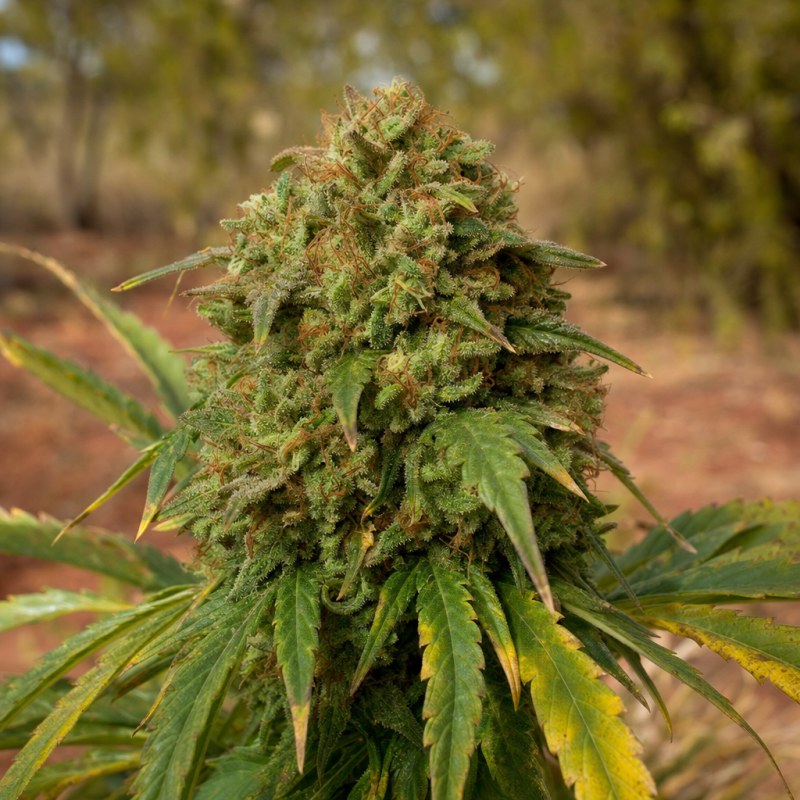
ACDC feminised seeds are a balanced photoperiod hybrid with sweet, pine, woody and lemon flavours, flowering in 9–11 weeks.
From $99.00
Related grow guides

Growing Cannabis in the Waikato: Fog, Frost and Fertile Soil
A regionally focused overview of Waikato soils, morning fog, humidity, frost pockets and seasonal planning for growing cannabis in Hamilton or elsewhere in the Waikato, within lawful settings only.
Cannabis Seedling Care: The First Two Weeks
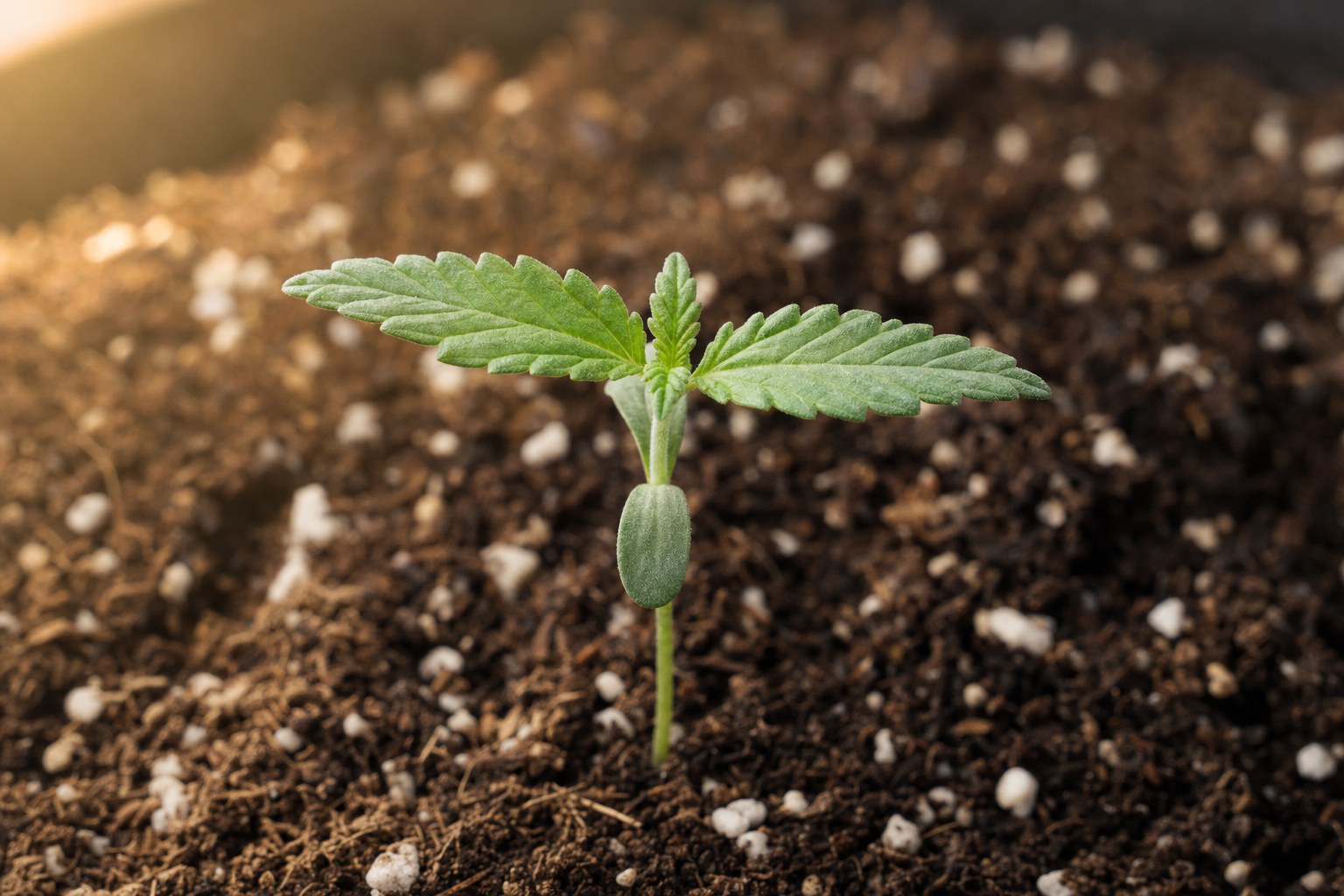
Cannabis seedling care during the first two weeks centres on soft, suitable light, evenly damp growing mix, gentle airflow and a stable environment.
How to Germinate Cannabis Seeds: Paper Towel vs Soil vs Water
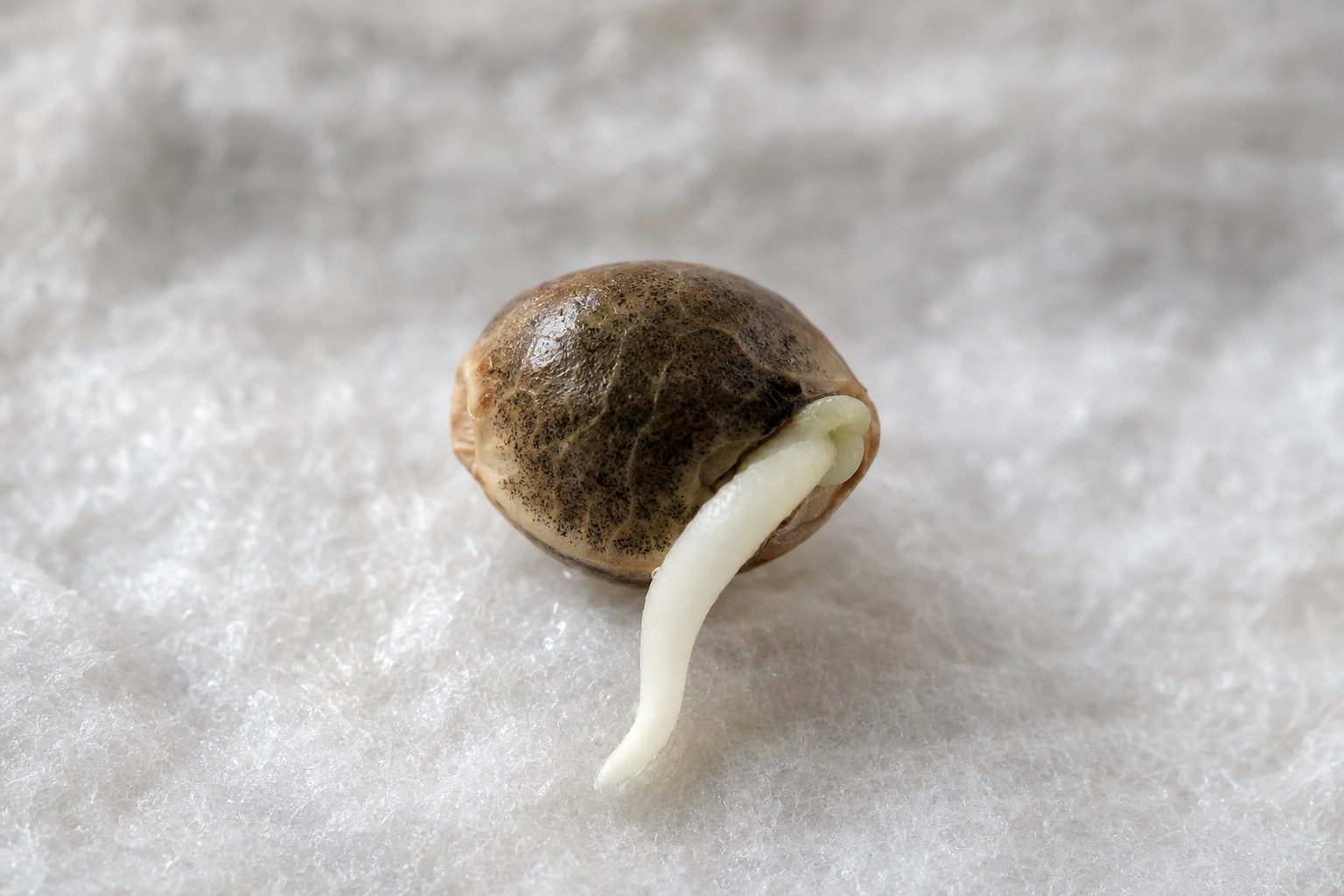
Learn how to germinate cannabis seeds using damp paper towels, direct sowing in soil or a short water soak.
Mould-Resistant Strains for New Zealand's Damp Autumns
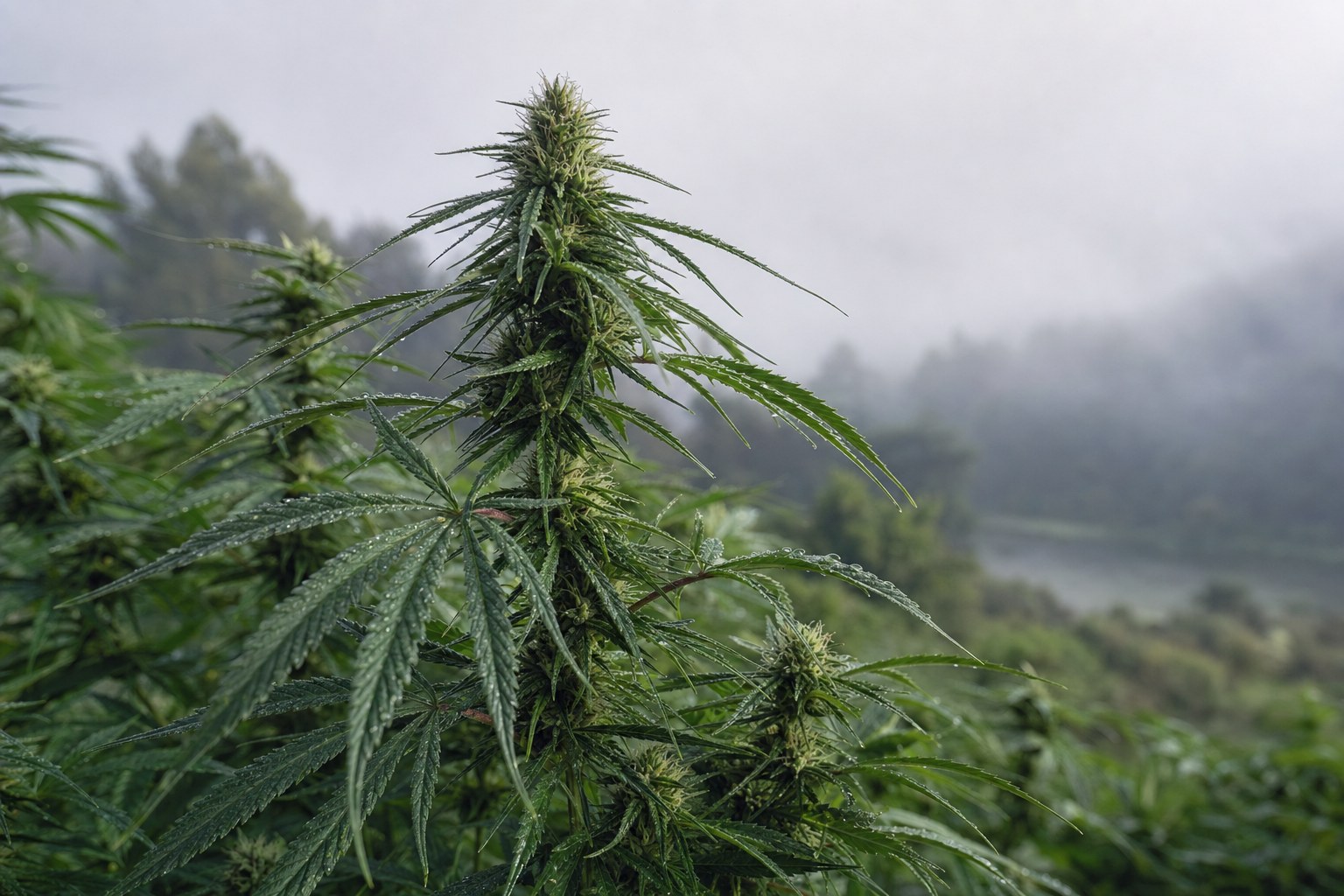
Learn how to assess mould-resistant cannabis strains for New Zealand’s damp autumn weather, including plant structure, flowering time, regional conditions and practical seasonal planning.