

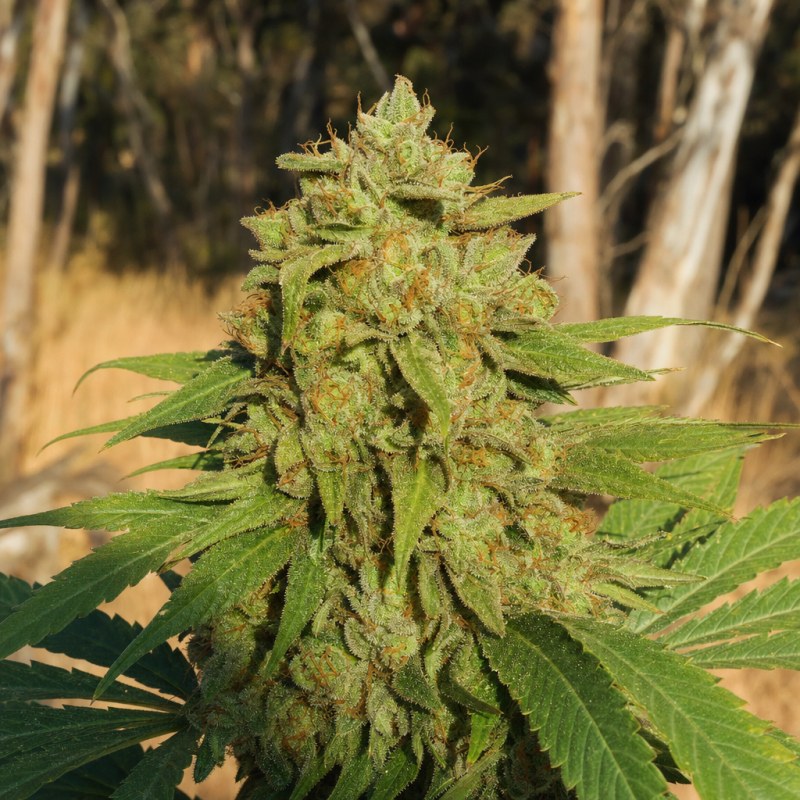
Banana Kush Seeds
Banana Kush feminised seeds offer an indica-dominant profile with sweet banana, tropical, earthy and citrus flavours.
Specifications
- Genetics
- Ghost OG × Skunk Haze; commonly described as indica-dominant
- Climate
- Hot dry · Temperate
- Height indoor
- up to 160
- Height outdoor
- up to 200
- Yield indoor
- up to 550
- Yield outdoor
- up to 710
Effects
Flavours
Terpenes
Genetics & effects
Banana Kush is a feminised Ghost OG × Skunk Haze cross, commonly described as 60% indica and 40% sativa. Its profile is reported at 18–22% THC and 0.1–0.3% CBD, though cannabinoid levels can vary with phenotype, environment and cultivation choices.
The aroma and flavour lean towards ripe banana, sweet tropical fruit and citrus, layered with earthy, pungent and skunky notes. Limonene, beta-caryophyllene and myrcene are associated with this broad aromatic profile. Individual experiences differ, but consumers often describe the effects as relaxed, happy and euphoric, with an uplifted, creative or talkative edge. Browse more feminised seeds for related options.
Explore feminised seeds, high thc seeds, the New Zealand grow guide, and the planting calendar.
Explore feminised seeds, high thc seeds, the New Zealand grow guide, and the planting calendar.
Growing in New Zealand
Banana Kush is considered an intermediate-level cultivar that suits temperate or hot, dry conditions. In New Zealand, outdoor planting generally aligns with spring, from September to November, once local temperatures are settled and harsh weather is less likely. Site choice matters: prioritise strong sunlight, airflow and shelter from persistent rain or damaging winds.
Regional conditions vary considerably between the upper North Island, cooler southern districts and exposed coastal areas. Monitor humidity closely, especially as flowers become denser. Good spacing, selective pruning and protection from prolonged autumn rain can reduce the risk of mould. Always check the rules that apply in your location before acquiring or growing cannabis seeds.
Indoor
Indoors, plants may reach up to 160 cm, so allow enough vertical room for both the canopy and lighting. Training and canopy management can help make productive use of the available space. Keep air moving through and beneath the foliage, and maintain stable temperature and humidity rather than making abrupt environmental changes.
The listed flowering period is approximately seven to nine weeks. Under suitable conditions, indoor yield is stated as up to 550 g/m². This figure is a reference rather than an assured outcome, as lighting, nutrition, plant health, experience and phenotype all influence final performance.
Outdoor
Outdoor plants can reach up to 200 cm and may produce up to 710 g per plant in favourable conditions. Choose a sunny position with free-draining soil and enough room for branching. In wetter parts of New Zealand, overhead cover and reliable airflow may be useful late in the season, provided plants still receive suitable light and ventilation.
Regular observation is particularly important after heavy rain or during humid spells. Support larger branches as flowers gain weight, and remove damaged plant material promptly. Growers in cooler areas may favour an early spring start in a protected setting before moving plants outside when conditions improve.
Harvest
In the southern hemisphere, the typical outdoor harvest window falls between March and May. Exact timing depends on planting date, local climate and phenotype. Assess flower maturity directly rather than relying only on the calendar. Before cutting, inspect flowers carefully for moisture damage or mould, particularly after autumn rain. Harvest in dry conditions where possible, then move branches to a clean, dark and well-ventilated drying area.
Frequently asked questions
What THC and CBD ranges are listed for Banana Kush?
The reviewed specification lists 18–22% THC and 0.1–0.3% CBD. These figures describe the catalogue profile; phenotype, environment and testing can change measured levels.
How long does Banana Kush take to flower?
The listed flowering window is 7–9 weeks. Actual timing can vary with phenotype and growing conditions, so use the range as a planning reference rather than a guarantee.
Which New Zealand conditions suit Banana Kush?
The reviewed profile lists hot and dry and temperate conditions and a intermediate difficulty rating. Local daylight, weather, site exposure and care still influence how a plant develops.
What seed format and genetics does Banana Kush have?
Banana Kush is supplied as feminised seed, with Ghost OG × Skunk Haze genetics commonly described as 60% indica and 40% sativa.
Which aroma notes and terpenes could become a favourite feature of Banana Kush?
Its reviewed flavour notes include banana, sweet, fruity, tropical, earthy, citrus, skunk and pungent, while its listed terpenes are limonene, beta-caryophyllene and myrcene.
How tall can Banana Kush grow, and are colour or mould-resistance traits established?
Banana Kush can reach up to 160 cm indoors and 200 cm outdoors, but no colour specification is supplied and mould resistance is not established.
Related genetics
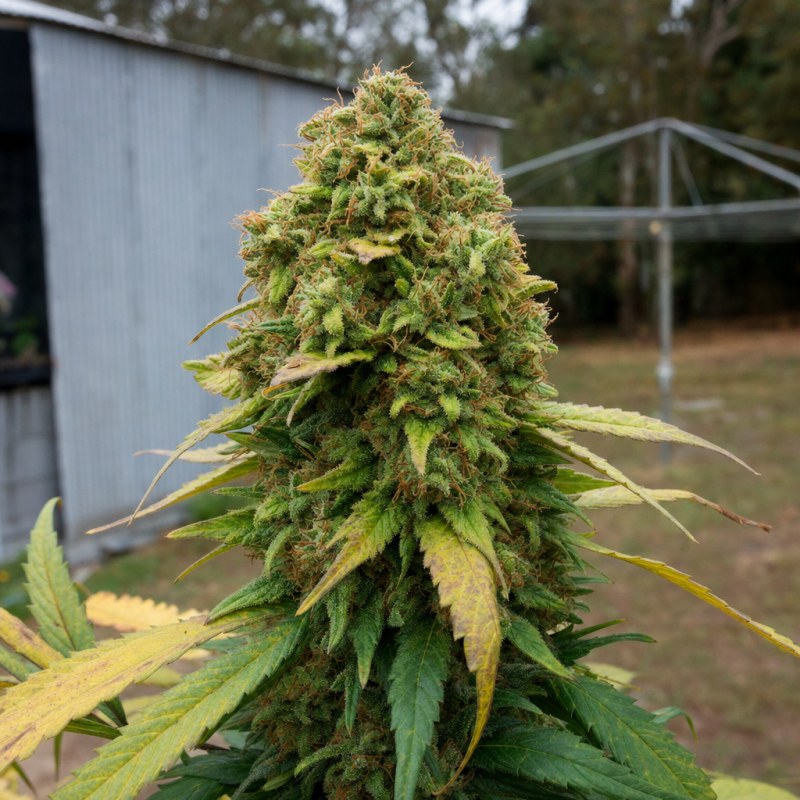
24K Gold
24K Gold feminised seeds are indica-leaning, with orange, citrus, sweet and earthy flavours. Suited to temperate or hot, dry climates.
From $79.00
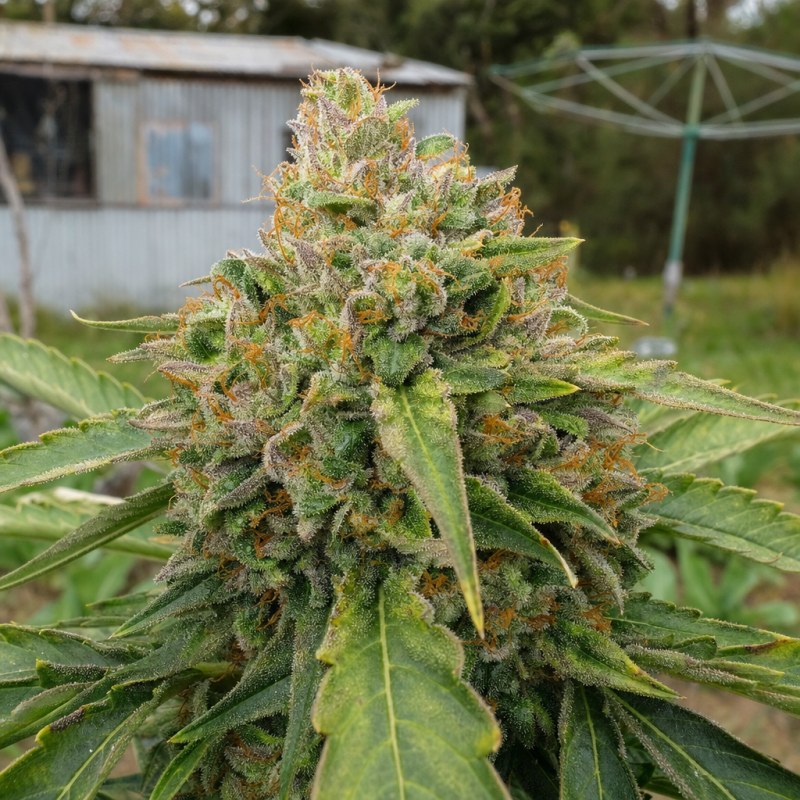
9 Pound Hammer
9 Pound Hammer feminised seeds offer an indica-dominant profile with berry, grape, citrus and earthy flavours, flowering in 7–9 weeks.
From $99.00
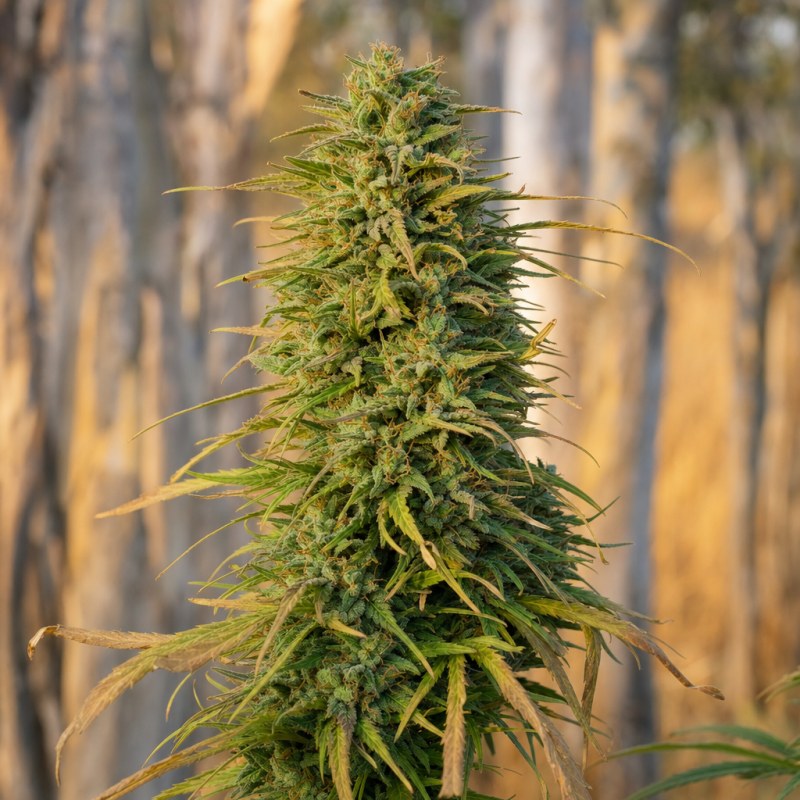
Acapulco Gold
Acapulco Gold feminised seeds offer a sativa-dominant profile with sweet citrus, lemon and fruity flavours, suited to intermediate growers.
From $89.00
ACDC
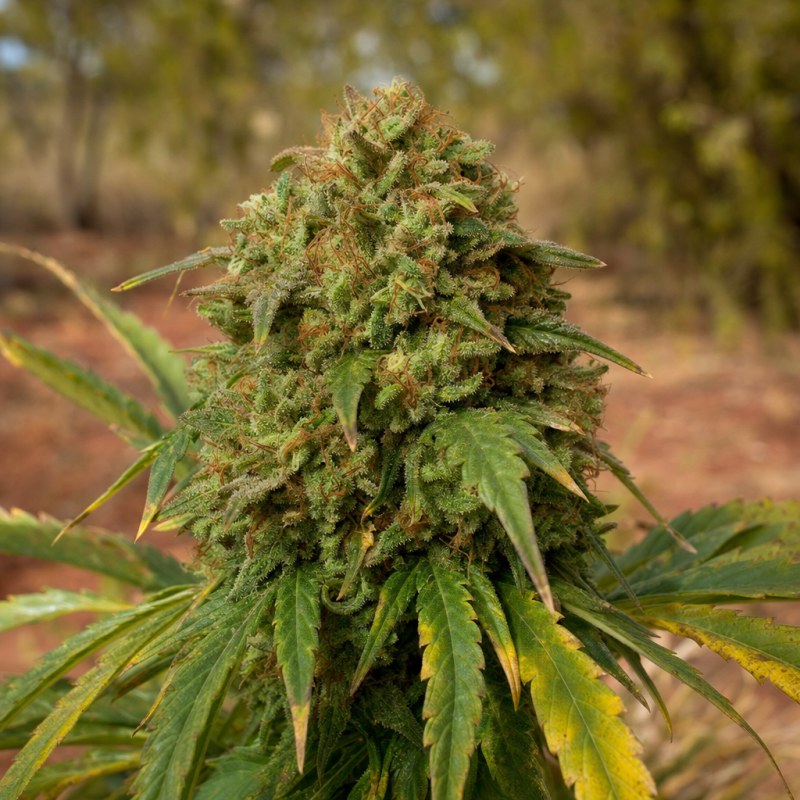
ACDC feminised seeds are a balanced photoperiod hybrid with sweet, pine, woody and lemon flavours, flowering in 9–11 weeks.
From $99.00
Related grow guides
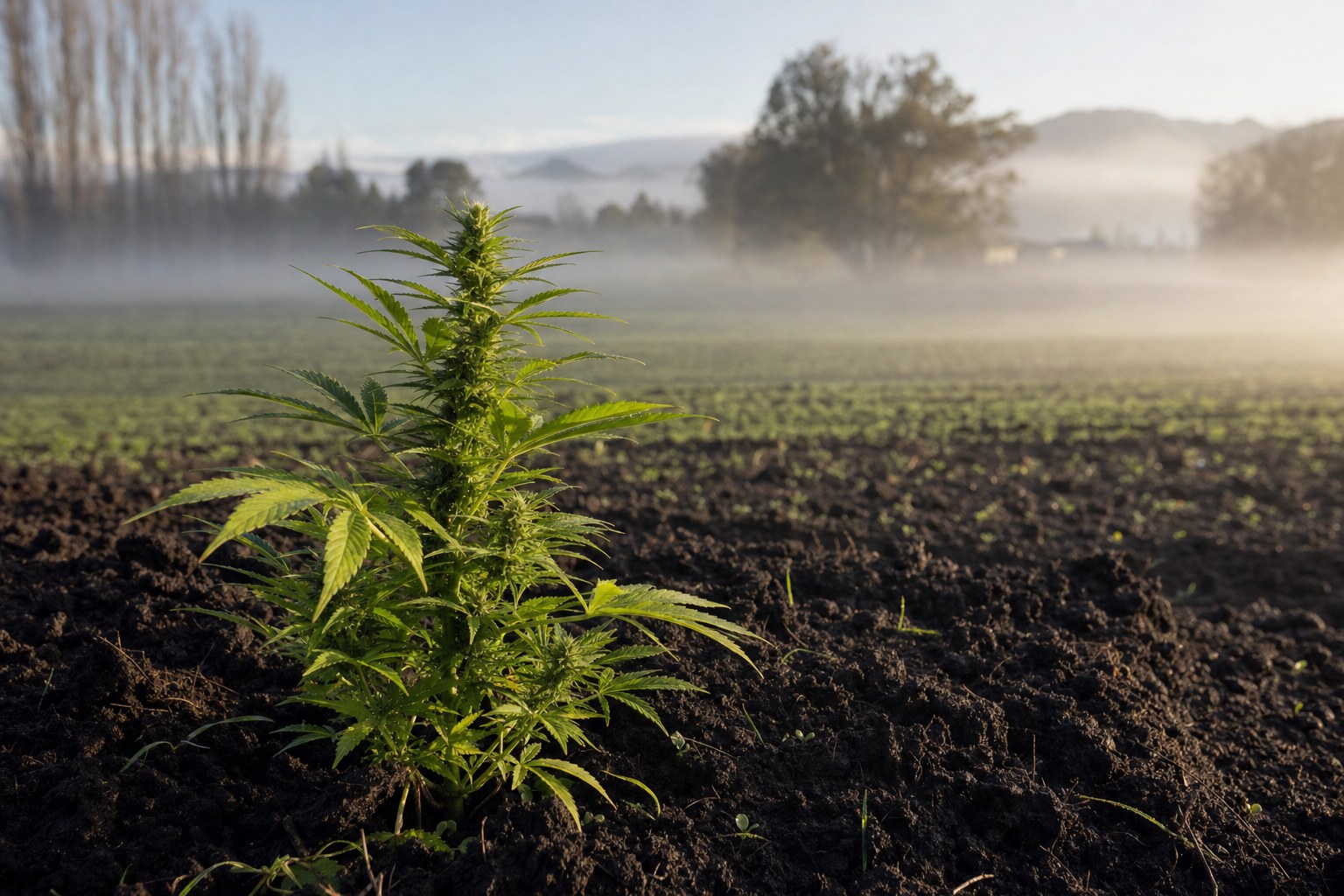
Growing Cannabis in the Waikato: Fog, Frost and Fertile Soil
A regionally focused overview of Waikato soils, morning fog, humidity, frost pockets and seasonal planning for growing cannabis in Hamilton or elsewhere in the Waikato, within lawful settings only.
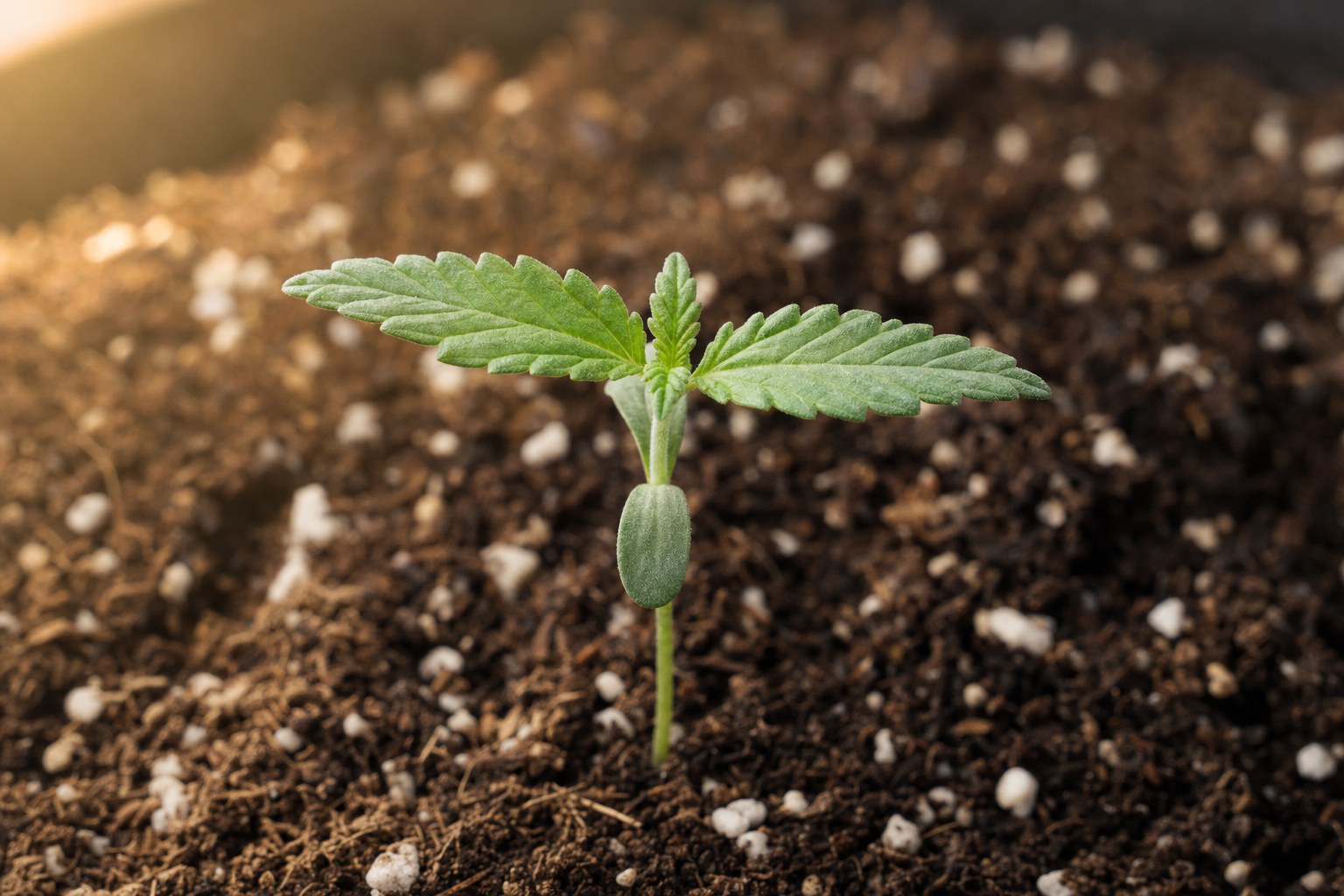
Cannabis Seedling Care: The First Two Weeks
Cannabis seedling care during the first two weeks centres on soft, suitable light, evenly damp growing mix, gentle airflow and a stable environment.
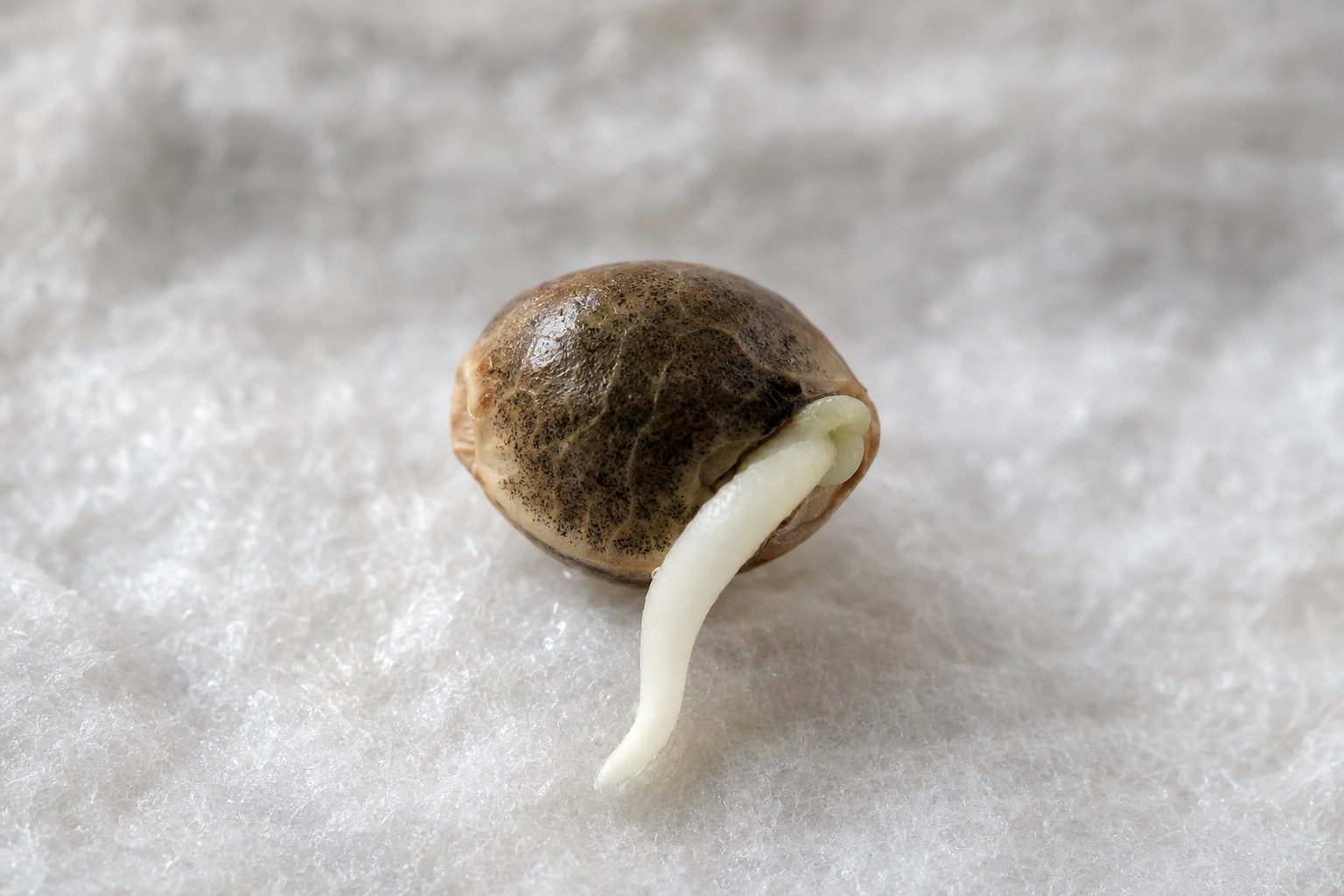
How to Germinate Cannabis Seeds: Paper Towel vs Soil vs Water
Learn how to germinate cannabis seeds using damp paper towels, direct sowing in soil or a short water soak.
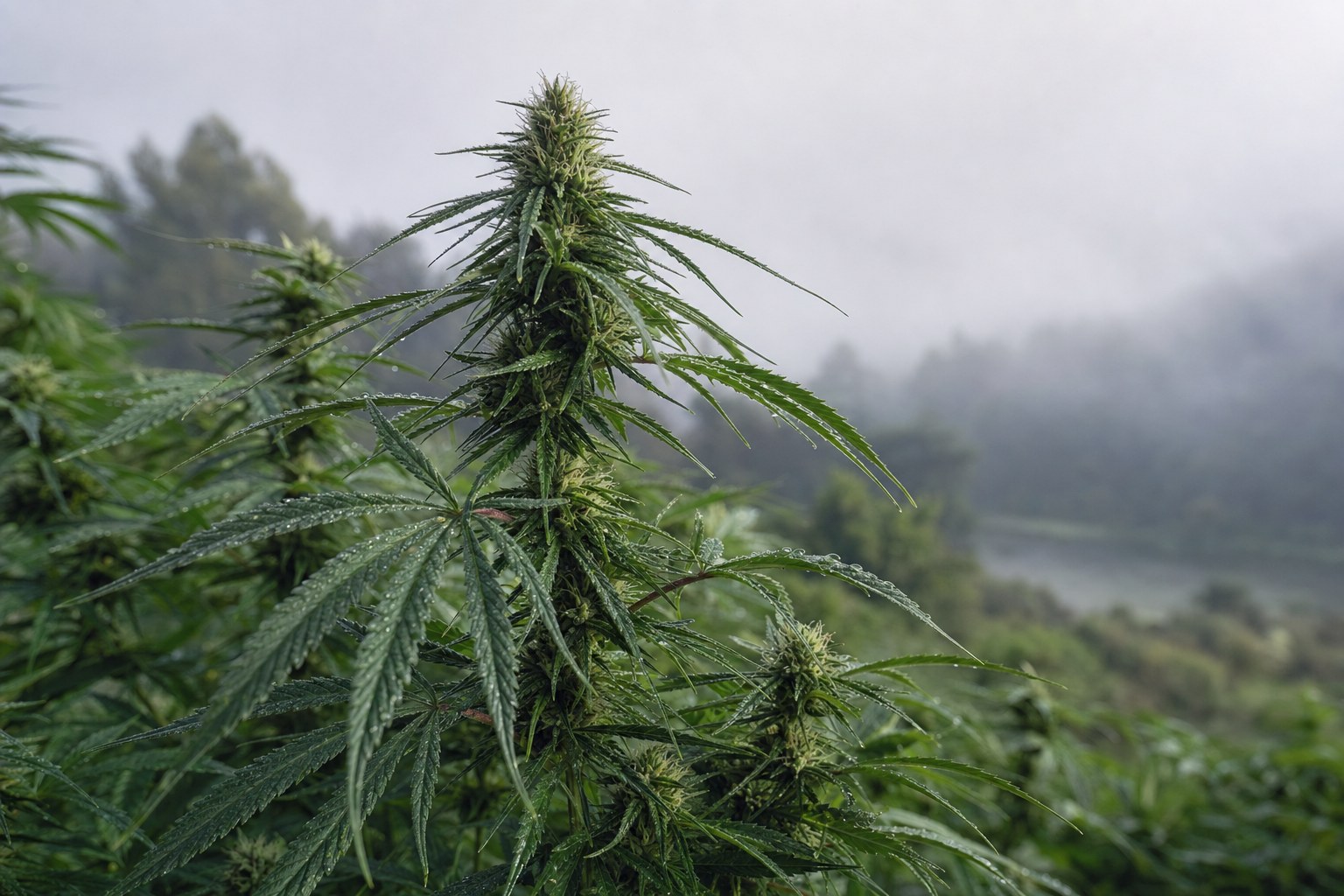
Mould-Resistant Strains for New Zealand's Damp Autumns
Learn how to assess mould-resistant cannabis strains for New Zealand’s damp autumn weather, including plant structure, flowering time, regional conditions and practical seasonal planning.