

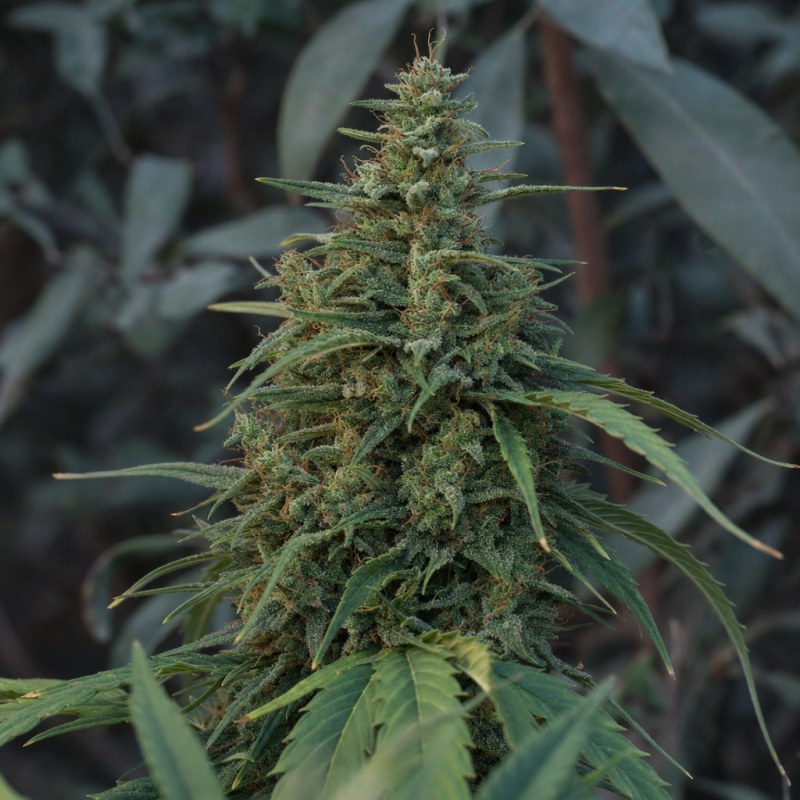
Tangerine Dream Auto Seeds
Tangerine Dream Auto is a sativa-leaning autoflower seed with citrus, pine and tropical flavours, suited to beginners and varied climates.
Specifications
- Genetics
- Tangerine Dream × ruderalis-derived autoflowering genetics
- Climate
- Hot dry · Temperate · Cool short season
- Height indoor
- up to 100 cm
- Height outdoor
- up to 130 cm
- Yield indoor
- up to 400 g/m²
- Yield outdoor
- up to 100 g/plant
Effects
Flavours
Terpenes
Genetics & effects
Tangerine Dream Auto combines Tangerine Dream with ruderalis-derived autoflowering genetics in a feminised format. Its profile is approximately 60% sativa and 40% indica, with listed THC levels of 15–20% and CBD of 0–2%. Limonene, pinene and myrcene are associated with its bright citrus, fresh pine and rounded tropical character.
Experiences are personal and can vary. Some people describe the effects as uplifting, happy and energetic, followed by a focused or creative frame of mind. Others may find the experience more intense or less energising depending on the individual and growing outcome. Its sweet mandarin-style aroma makes it an appealing option for growers who favour fruit-forward varieties.
Explore autoflower seeds, high thc seeds, the New Zealand grow guide, and the planting calendar.
Explore autoflower seeds, high thc seeds, the New Zealand grow guide, and the planting calendar.
Growing in New Zealand
This beginner-friendly autoflower is suited to New Zealand growers looking for a relatively compact plant and a short flowering phase. Autoflowering genetics begin flowering according to age rather than a change in daylight hours, which can simplify seasonal planning. Kiwi Seed Bank presents Tangerine Dream Auto as an adaptable choice for hot, dry areas, temperate districts and cooler regions with shorter summers.
For outdoor growing, spring planting falls between September and November. Local temperature, rainfall, wind and daylight still influence development, so choose the warmest practical part of this window in cooler locations. Good airflow and shelter from prolonged rain can help reduce the risk of mould as flowers gain weight.
Indoor
Indoors, plants may reach up to 100 cm and are listed to produce up to 400 g/m² under favourable conditions. A stable light schedule, moderate nutrition and a free-draining medium generally suit its fast life cycle. Avoid major interruptions once growth is underway, as autoflowers have limited time to recover from stress.
- Flowering: approximately 7–8 weeks
- Height: up to 100 cm
- Listed yield: up to 400 g/m²
Gentle canopy management can help keep light distribution even, but heavy pruning may slow a compact, rapidly developing plant. See more options in the autoflower seed collection.
Outdoor
Outdoors, Tangerine Dream Auto may grow up to 130 cm and produce up to 100 g per plant in suitable conditions. Select a sunny position with drainage and some protection from strong wind. In humid districts, allow generous space between plants and inspect dense flowers regularly. Containers can offer flexibility when shifting plants away from severe weather.
Although the genetic flowering estimate is short, the full seed-to-finish period is longer and varies with conditions. Spring planting from September to November may allow earlier finishes, while New Zealand’s broader seasonal harvest period runs from March to May. Staggered planting and regional conditions can therefore change the exact finish date.
Harvest
Plan the main outdoor harvest for March–May, while assessing each plant individually. Flower colour, aroma, resin development and general maturity offer more useful guidance than the calendar alone. Listed yields and cannabinoid figures are reference ranges rather than assured outcomes; environment, experience and plant variation all play a role.
Frequently asked questions
What THC and CBD ranges are listed for Tangerine Dream Auto?
The reviewed specification lists 15–20% THC and 0–2% CBD. These figures describe the catalogue profile; phenotype, environment and testing can change measured levels.
How long does Tangerine Dream Auto take to flower?
The listed flowering window is 7–8 weeks. Actual timing can vary with phenotype and growing conditions, so use the range as a planning reference rather than a guarantee.
Which New Zealand conditions suit Tangerine Dream Auto?
The reviewed profile lists hot and dry, temperate and cool, short-season conditions and a beginner difficulty rating. Local daylight, weather, site exposure and care still influence how a plant develops.
What seed format and genetics does Tangerine Dream Auto have?
The reviewed specifications identify it as an autoflower with Tangerine Dream × ruderalis-derived autoflowering genetics and a 60% sativa, 40% indica profile, but they do not state that the seeds are feminised.
Which flavours and terpenes are associated with Tangerine Dream Auto?
The reviewed profile lists citrus, pine and tropical flavours alongside limonene, pinene and myrcene, but it does not establish a favourite note or describe flower colour.
What height and yield potential are listed for Tangerine Dream Auto?
The listed height is up to 100 cm indoors and 130 cm outdoors, with potential yields of up to 400 g/m² indoors and 100 g per plant outdoors, but these figures are not guaranteed and mould resistance has not been established.
Related genetics
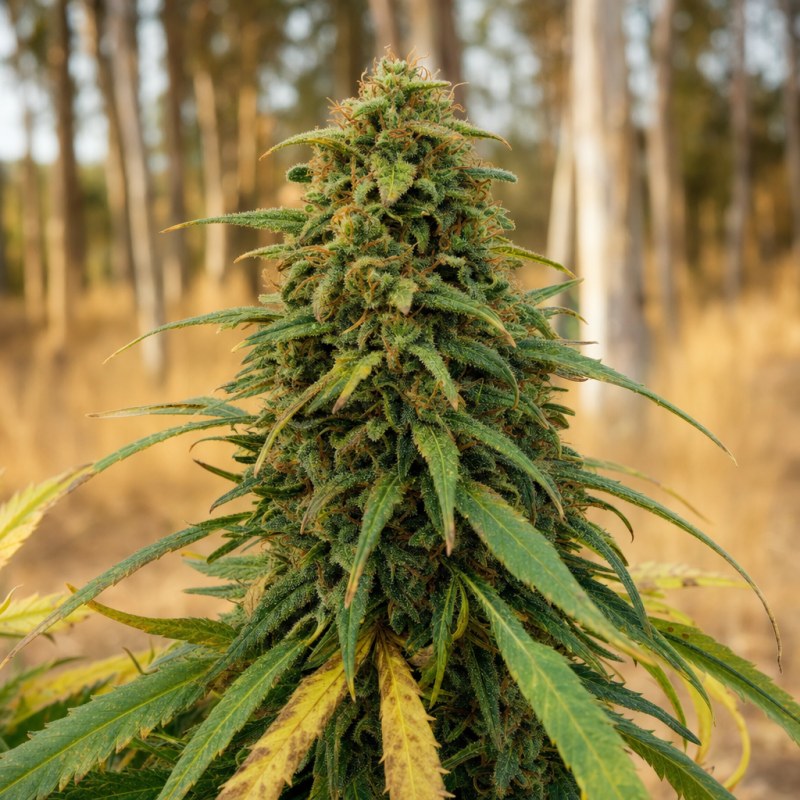
Acapulco Gold Auto
Acapulco Gold Auto is a sativa-dominant autoflower seed with earthy pine, sweet citrus and lemon flavours, suited to hot, dry or temperate climates.
From $89.00
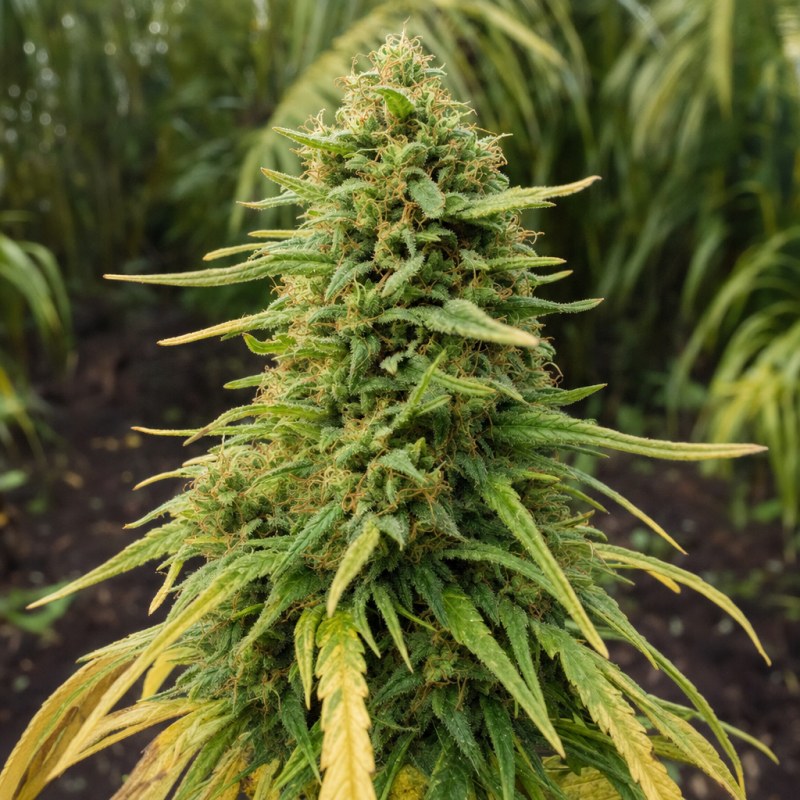
ACDC Auto
ACDC Auto is an autoflower hybrid with a 60% sativa profile. Beginner-friendly plants offer sweet, pine, woody and lemon flavours.
From $99.00
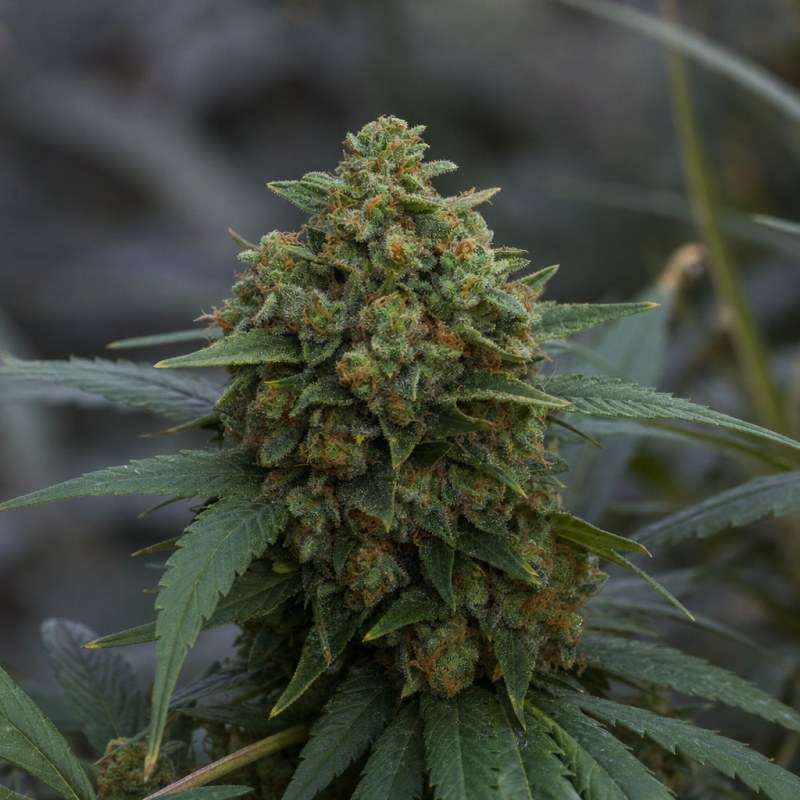
Afghani Auto
Afghani Auto is a beginner-friendly, indica-dominant autoflower with earthy, spicy, woody and sweet flavours.
From $89.00
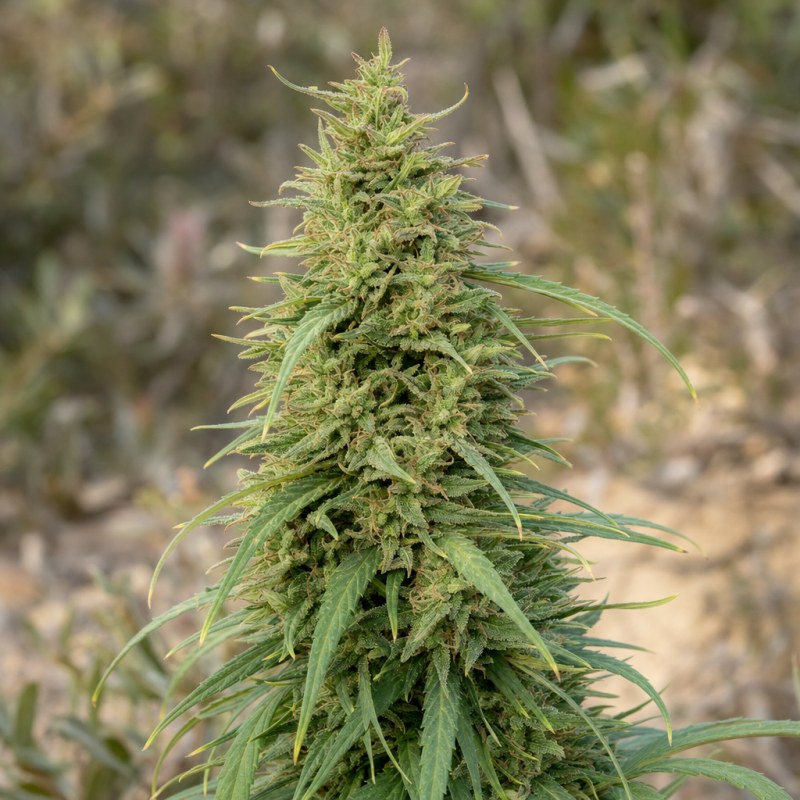
AK-47 Auto
AK-47 Auto is an autoflowering hybrid with a balanced, slightly sativa-leaning profile and pungent, herbal and sweet flavours.
From $79.00
Related grow guides
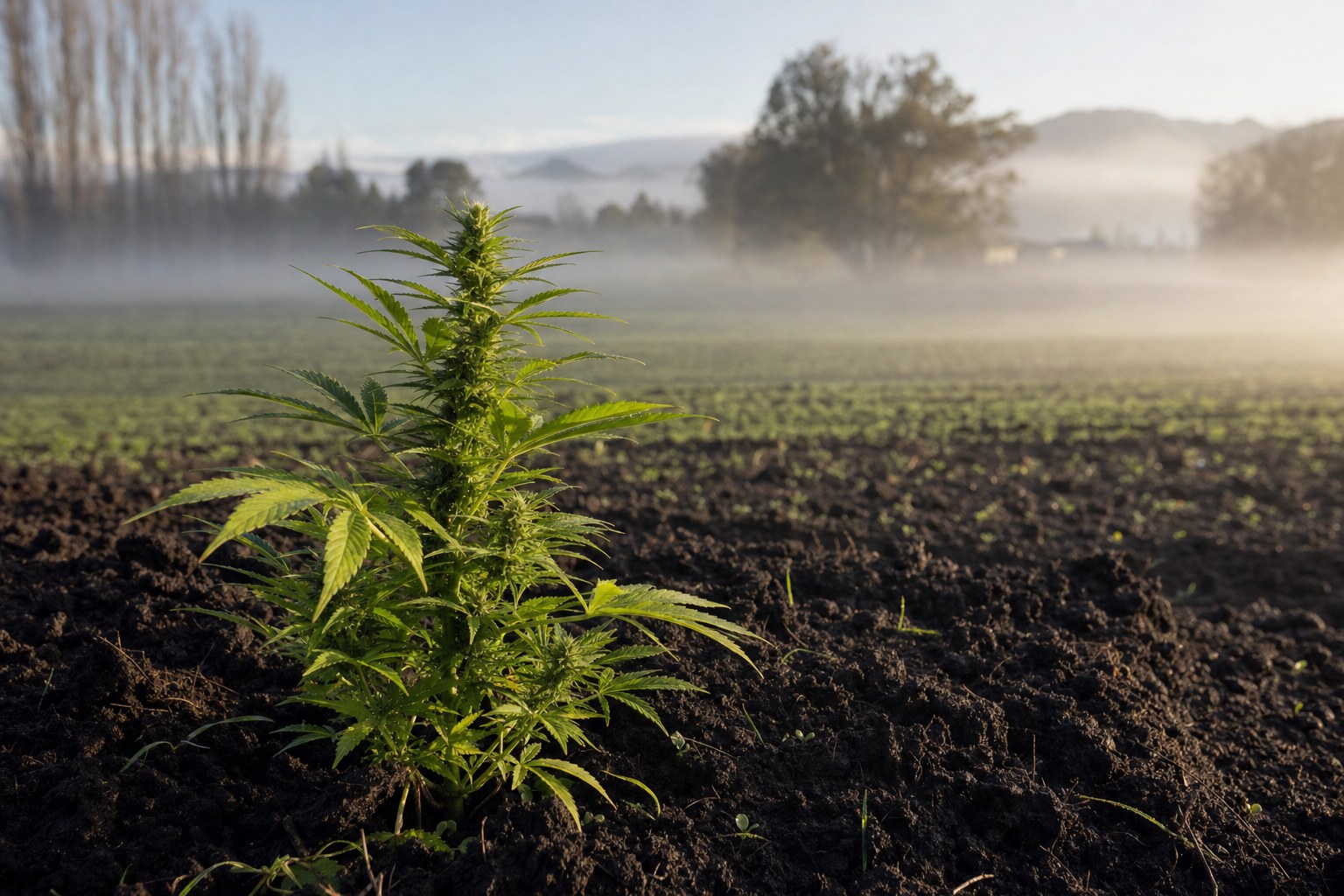
Growing Cannabis in the Waikato: Fog, Frost and Fertile Soil
A regionally focused overview of Waikato soils, morning fog, humidity, frost pockets and seasonal planning for growing cannabis in Hamilton or elsewhere in the Waikato, within lawful settings only.
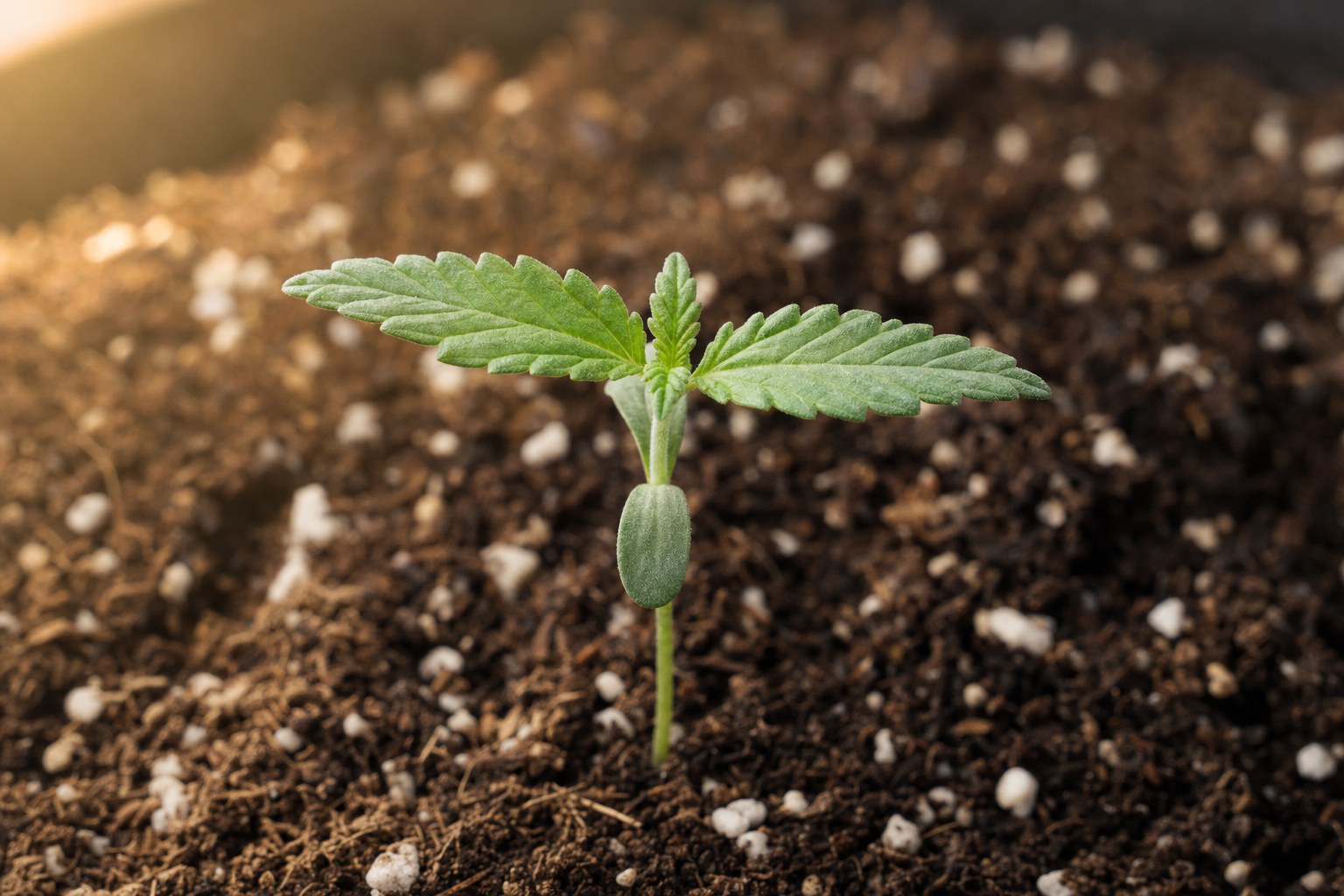
Cannabis Seedling Care: The First Two Weeks
Cannabis seedling care during the first two weeks centres on soft, suitable light, evenly damp growing mix, gentle airflow and a stable environment.
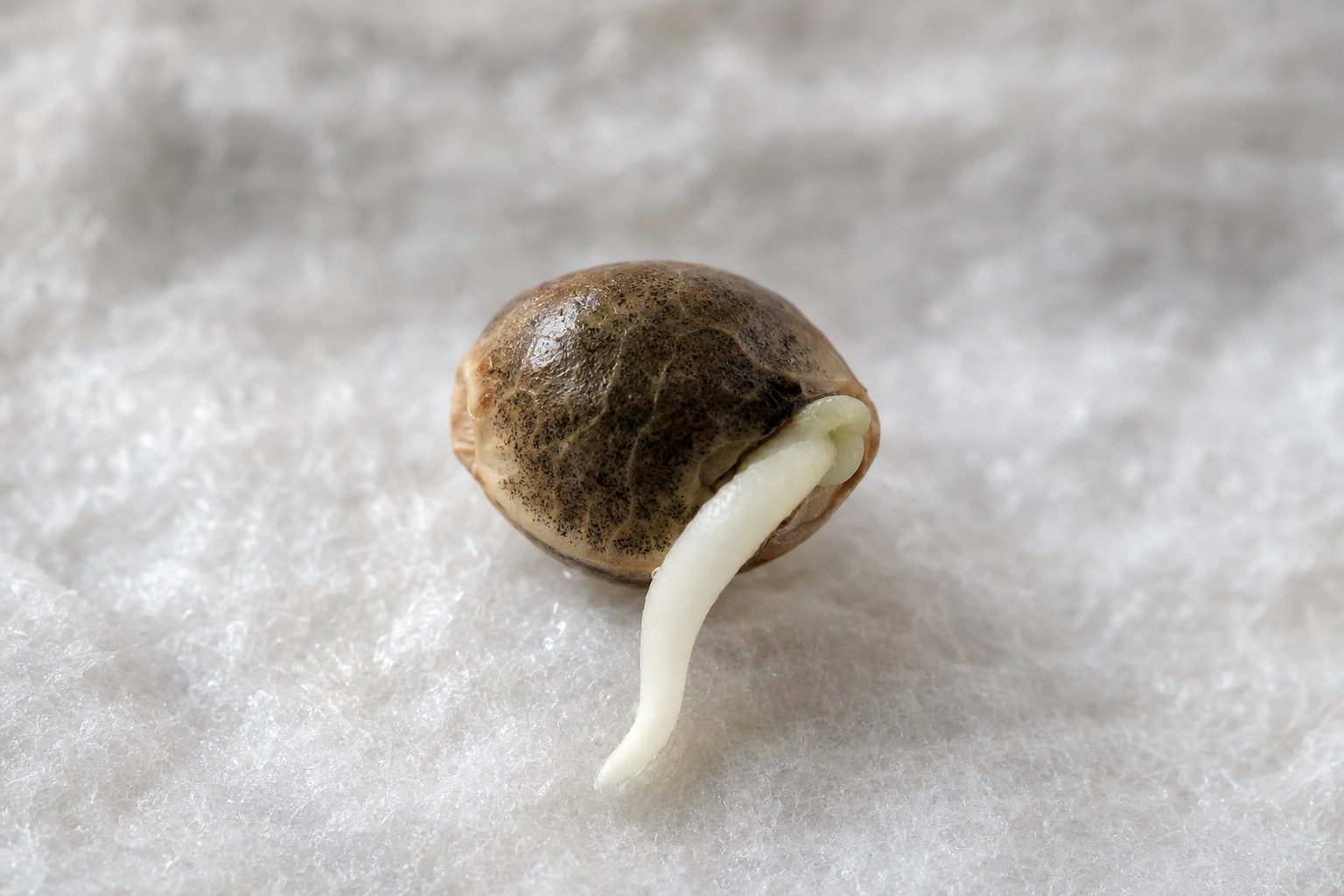
How to Germinate Cannabis Seeds: Paper Towel vs Soil vs Water
Learn how to germinate cannabis seeds using damp paper towels, direct sowing in soil or a short water soak.
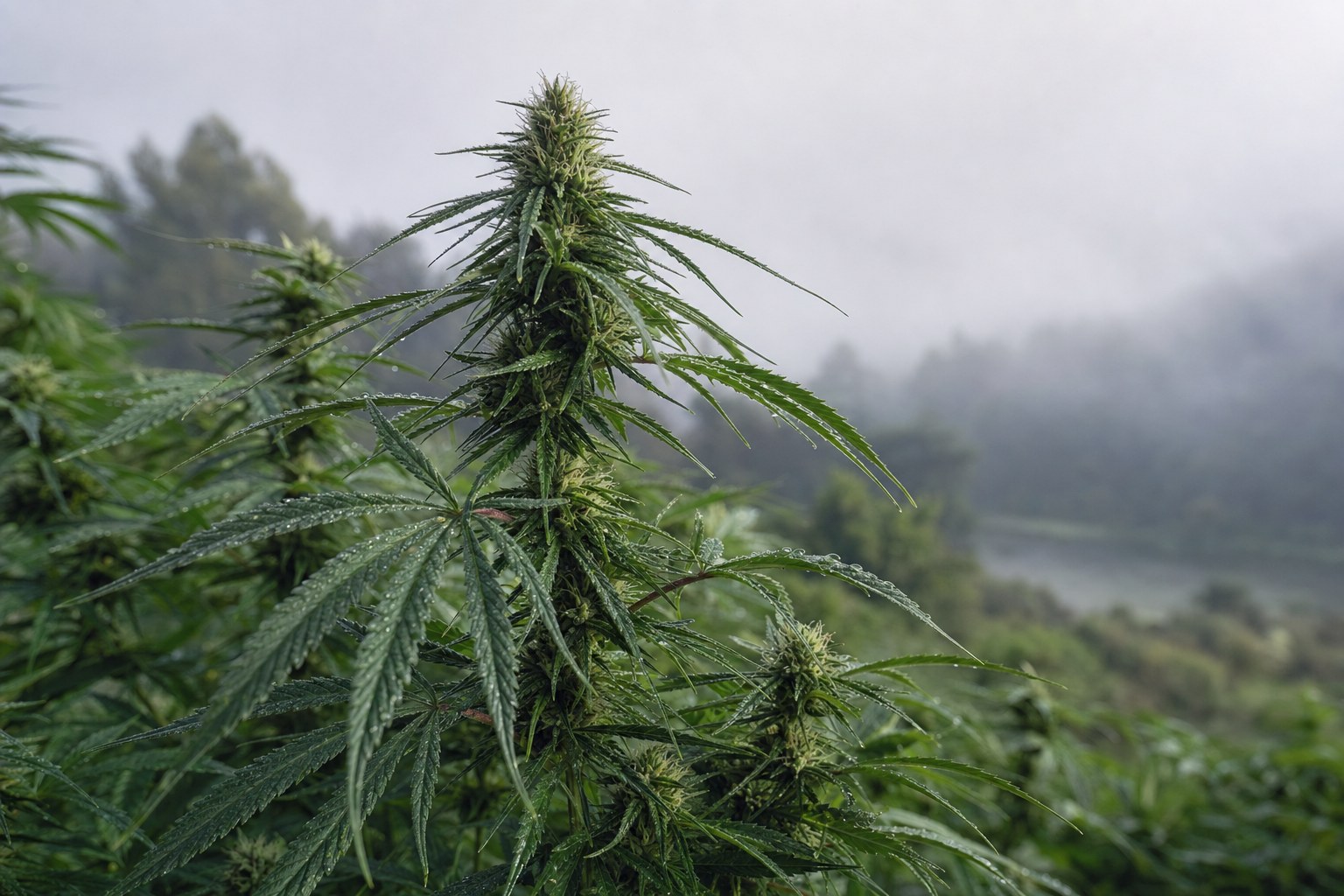
Mould-Resistant Strains for New Zealand's Damp Autumns
Learn how to assess mould-resistant cannabis strains for New Zealand’s damp autumn weather, including plant structure, flowering time, regional conditions and practical seasonal planning.