

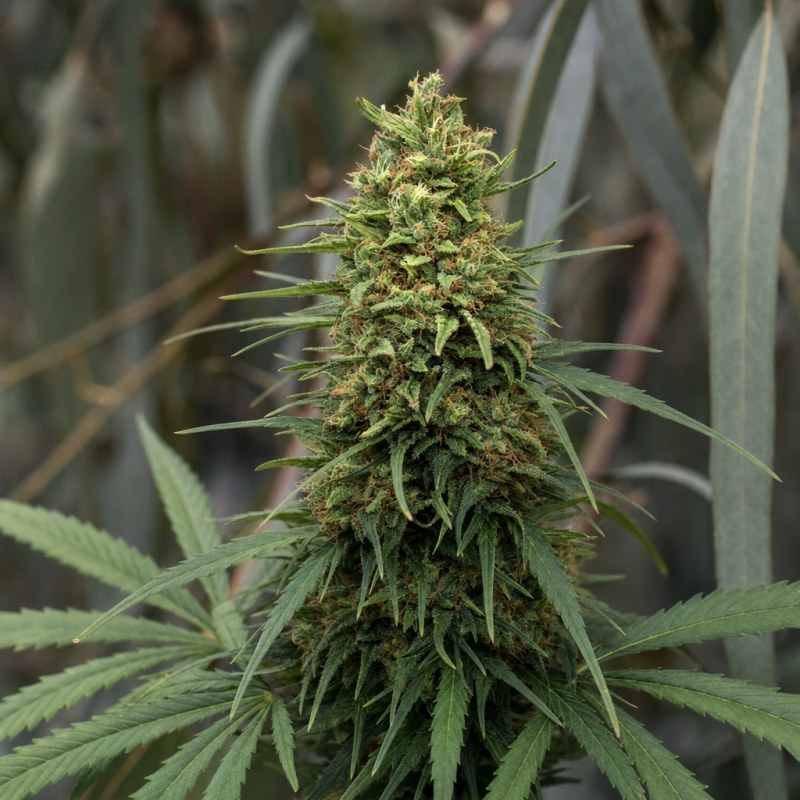
Durban Poison Auto Seeds
Durban Poison Auto is an autoflower seed with a 70% sativa profile, earthy, pine, spicy, sweet and citrus flavours, and an 8–9 week flowering time.
Specifications
- Genetics
- Durban Poison × ruderalis (autoflowering)
- Climate
- Hot dry · Temperate · Cool short season
- Height indoor
- up to 140 cm
- Height outdoor
- up to 180 cm
- Yield indoor
- up to 400 g/m²
- Yield outdoor
- up to 150 g/plant
Effects
Flavours
Terpenes
Genetics & effects
Durban Poison Auto is a feminised autoflower with Durban Poison × ruderalis genetics. Its profile is approximately 70% sativa and 30% indica, combining a sativa-leaning character with automatic flowering. Catalogue figures place THC at 15–21% and CBD at 0–0.5%, although cannabinoid content varies with phenotype, environment and cultivation.
Some people may experience this variety as energetic, creative, euphoric, focused or uplifting. Effects are subjective and can differ considerably between individuals. The flavour profile brings together earthy and pine notes with spicy, sweet and citrus accents. Terpinolene, myrcene and pinene are associated with its aromatic character.
Explore autoflower seeds, high thc seeds, the New Zealand grow guide, and the planting calendar.
Explore autoflower seeds, high thc seeds, the New Zealand grow guide, and the planting calendar.
Growing in New Zealand
This is an intermediate-level option suited to growers who can monitor rapid development and respond promptly to changing conditions. Its autoflowering cycle does not depend on a seasonal light change, making timing comparatively flexible. For outdoor seasonal planning in New Zealand, spring planting falls between September and November, while the main harvest season is March to May.
Durban Poison Auto can suit hot, dry areas, temperate regions and cooler locations with short growing seasons. Local conditions vary widely, so consider rainfall, humidity, wind and overnight temperatures. Browse more autoflower seeds when comparing compact cultivation schedules.
Indoor
Indoors, plants may reach up to 140 cm and can produce up to 400 g/m² in favourable conditions. These figures are reference points rather than assured outcomes. Provide sufficient vertical space, steady airflow and even light coverage. Because autoflowers progress according to age, major stress can consume a meaningful part of their short vegetative phase.
- Height: up to 140 cm
- Indoor yield: up to 400 g/m²
- Flowering period: approximately 8–9 weeks
Gentle canopy guidance early in growth can help manage height and improve light distribution. Avoid excessive reshaping once flowering is well established. Stable temperature and humidity, along with good air movement, can reduce the risk of mould around dense floral growth.
Outdoor
Outdoors, plants may reach up to 180 cm and yield up to 150 g per plant under favourable conditions. Choose a position with strong sunlight, drainage and some shelter from damaging wind. In humid districts, allow space between plants and inspect flowers after extended rain. In cooler areas, a warm, bright location can support more consistent development.
Spring planting from September to November offers increasing daylight and warmer conditions. Autoflowering plants can finish independently of day length, so actual timing depends on sowing date, weather and growth rate. Protect young plants from cold snaps, waterlogging and abrupt environmental changes.
Harvest
Plan New Zealand’s seasonal harvest window around March to May, while also tracking each autoflower’s individual progress. The listed 8–9 weeks refers to flowering rather than a fixed seed-to-harvest schedule. Observe floral maturity, swelling and natural changes in colour instead of relying only on the calendar.
Final height, aroma, potency and yield vary with phenotype and conditions. Careful handling at harvest, followed by gradual drying in a dark, ventilated space, helps preserve the variety’s earthy, pine, spicy, sweet and citrus character.
Frequently asked questions
What THC and CBD ranges are listed for Durban Poison Auto?
The reviewed specification lists 15–21% THC and 0–0.5% CBD. These figures describe the catalogue profile; phenotype, environment and testing can change measured levels.
How long does Durban Poison Auto take to flower?
The listed flowering window is 8–9 weeks. Actual timing can vary with phenotype and growing conditions, so use the range as a planning reference rather than a guarantee.
Which New Zealand conditions suit Durban Poison Auto?
The reviewed profile lists hot and dry, temperate and cool, short-season conditions and a intermediate difficulty rating. Local daylight, weather, site exposure and care still influence how a plant develops.
Is Durban Poison Auto a feminised autoflower?
It is an autoflower with Durban Poison × ruderalis genetics, while the reviewed facts do not establish that it is feminised.
What aroma profile and terpenes are associated with Durban Poison Auto?
Its listed flavours are earthy, pine, spicy, sweet and citrus, with terpinolene, myrcene and pinene as the reviewed terpenes.
What height and yield potential does Durban Poison Auto have?
It can reach up to 140 cm indoors and 180 cm outdoors, with potential yields of up to 400 g/m² indoors or 150 g per plant outdoors; these figures are not guaranteed, and mould resistance, favourite growing conditions and colour traits are not established by the reviewed facts.
Related genetics
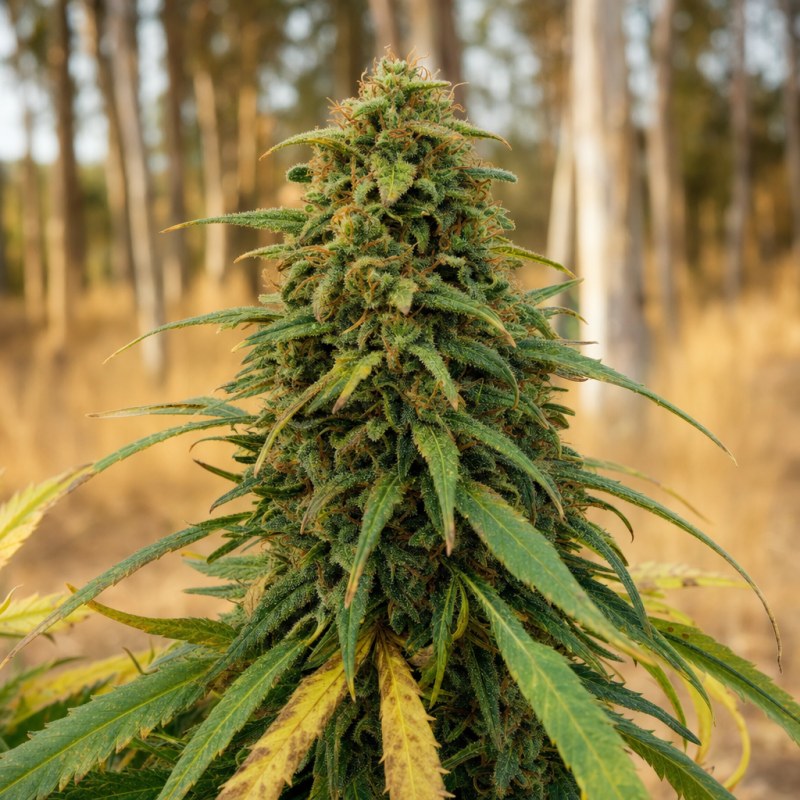
Acapulco Gold Auto
Acapulco Gold Auto is a sativa-dominant autoflower seed with earthy pine, sweet citrus and lemon flavours, suited to hot, dry or temperate climates.
From $89.00
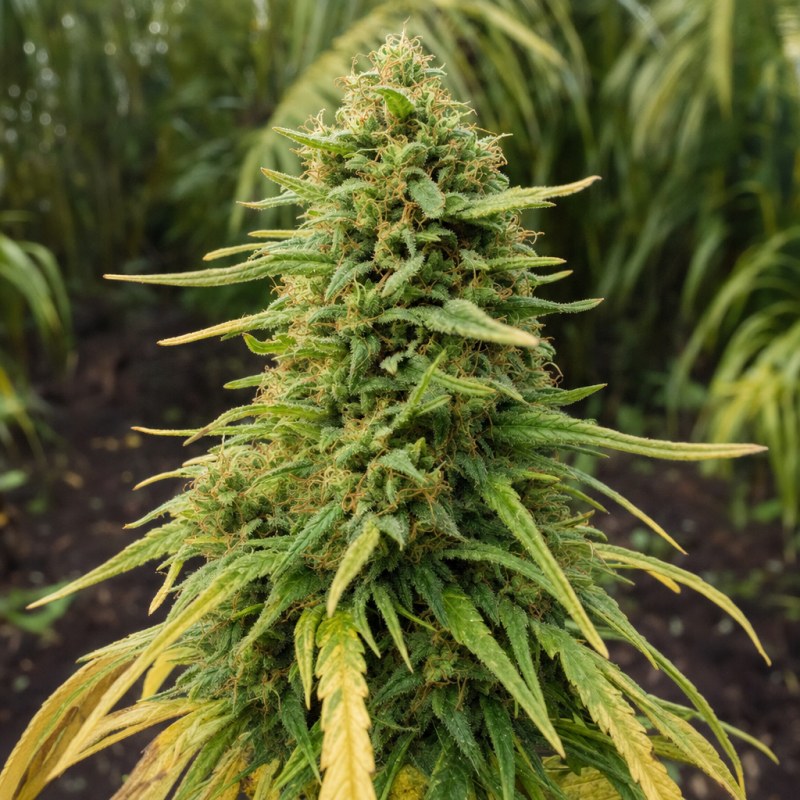
ACDC Auto
ACDC Auto is an autoflower hybrid with a 60% sativa profile. Beginner-friendly plants offer sweet, pine, woody and lemon flavours.
From $99.00
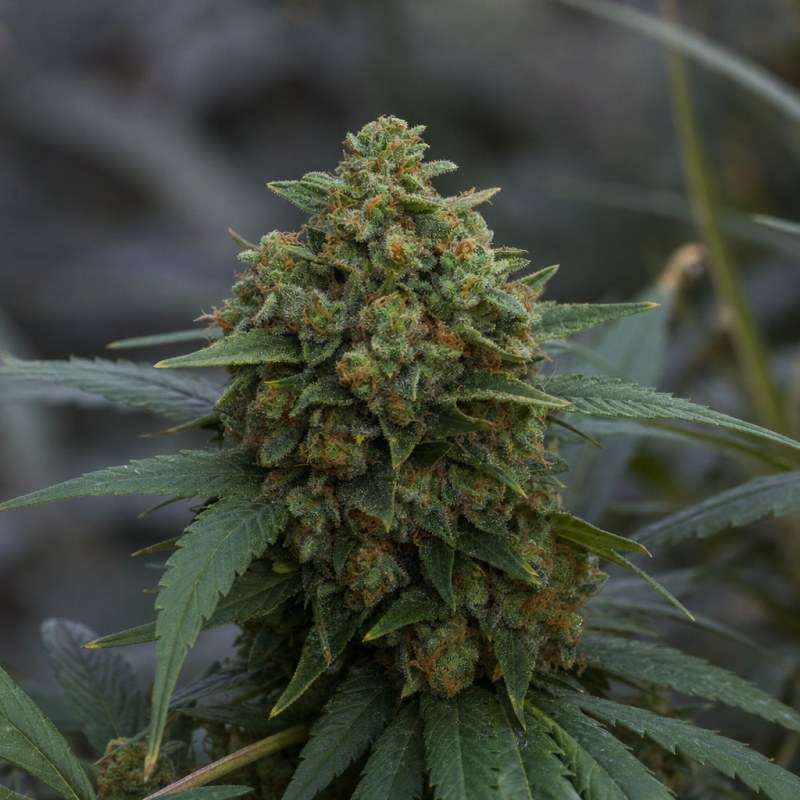
Afghani Auto
Afghani Auto is a beginner-friendly, indica-dominant autoflower with earthy, spicy, woody and sweet flavours.
From $89.00
AK-47 Auto
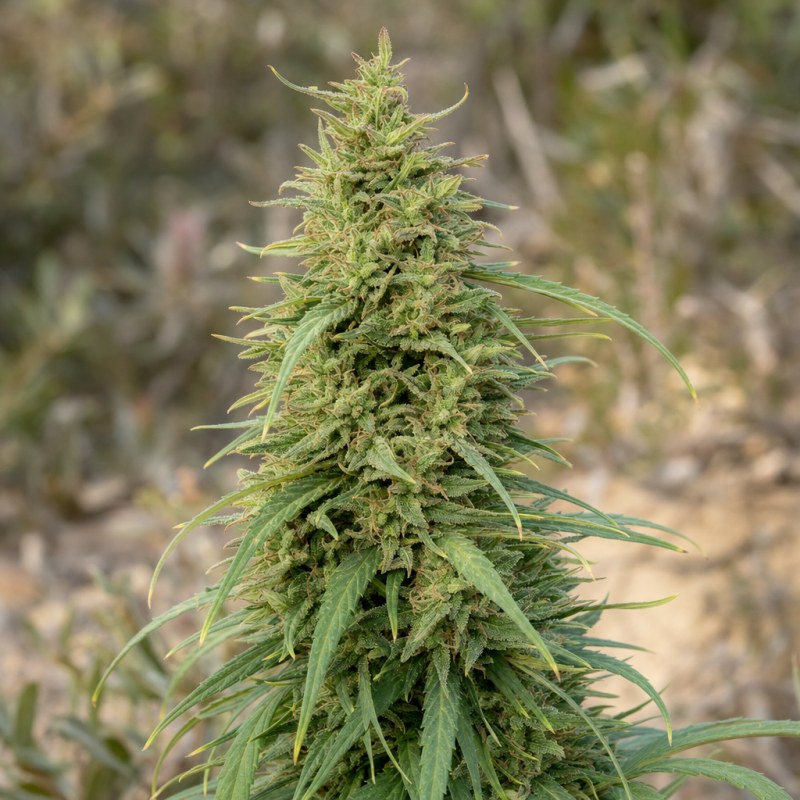
AK-47 Auto is an autoflowering hybrid with a balanced, slightly sativa-leaning profile and pungent, herbal and sweet flavours.
From $79.00
Related grow guides

Growing Cannabis in the Waikato: Fog, Frost and Fertile Soil
A regionally focused overview of Waikato soils, morning fog, humidity, frost pockets and seasonal planning for growing cannabis in Hamilton or elsewhere in the Waikato, within lawful settings only.
Cannabis Seedling Care: The First Two Weeks
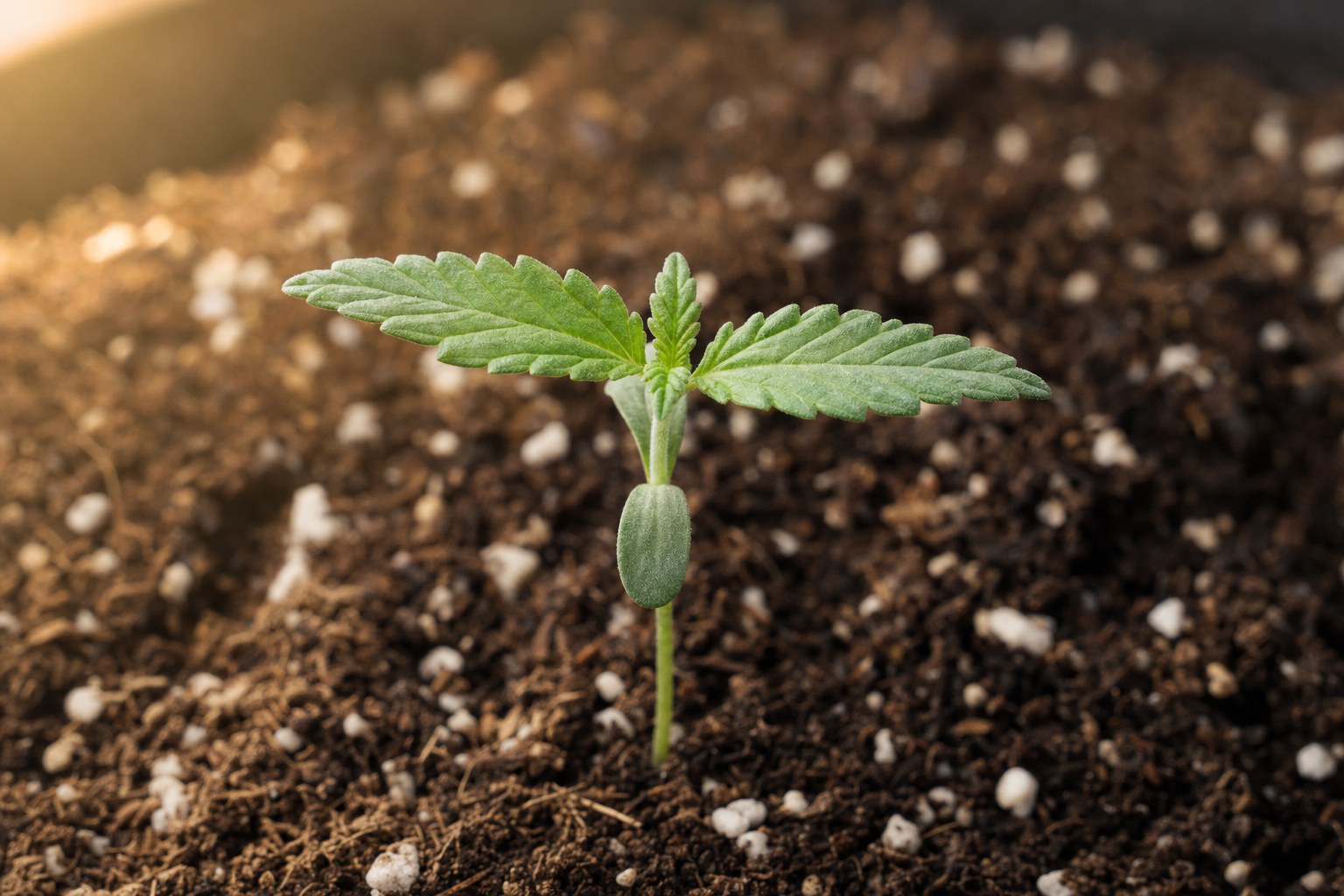
Cannabis seedling care during the first two weeks centres on soft, suitable light, evenly damp growing mix, gentle airflow and a stable environment.
How to Germinate Cannabis Seeds: Paper Towel vs Soil vs Water
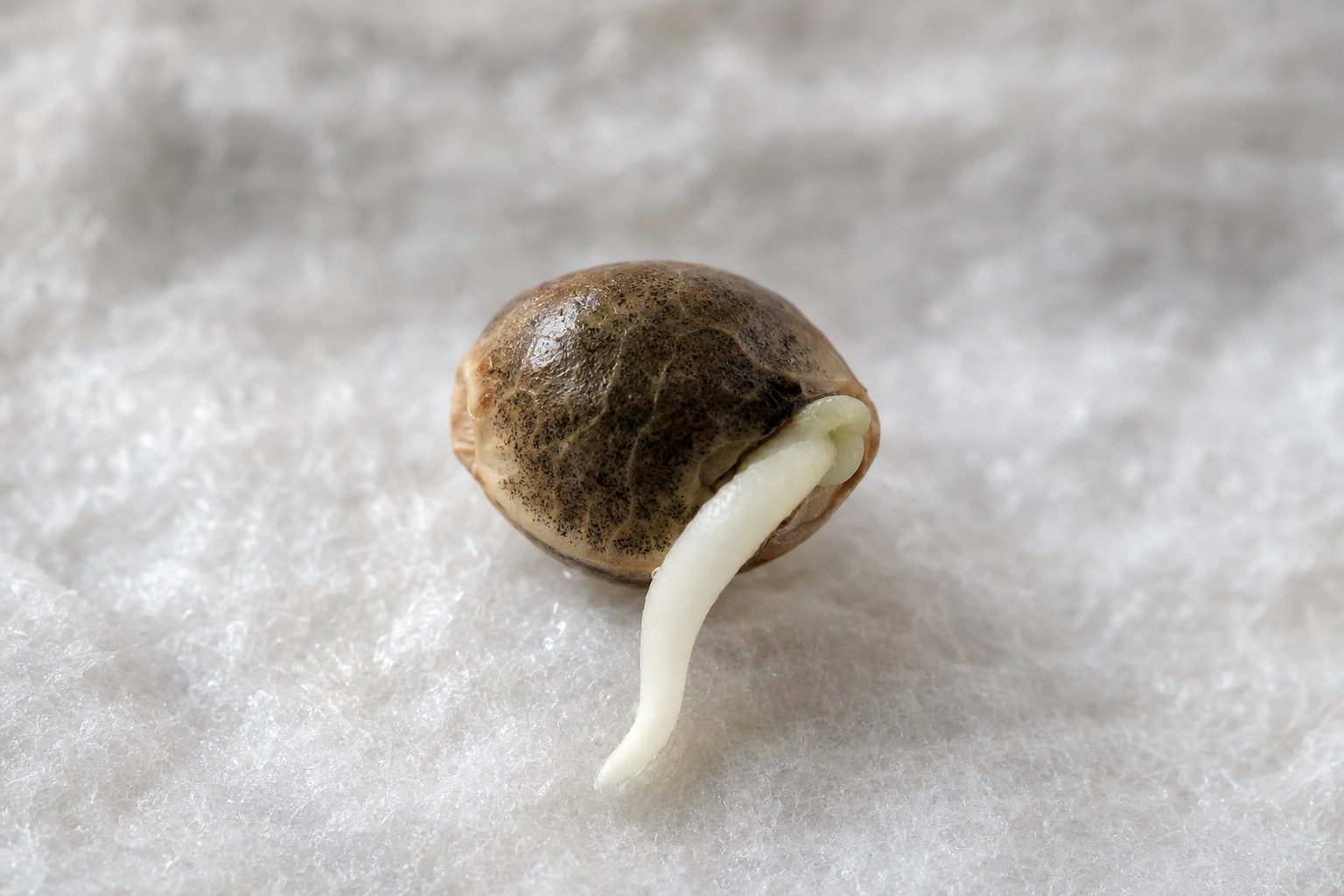
Learn how to germinate cannabis seeds using damp paper towels, direct sowing in soil or a short water soak.

Mould-Resistant Strains for New Zealand's Damp Autumns
Learn how to assess mould-resistant cannabis strains for New Zealand’s damp autumn weather, including plant structure, flowering time, regional conditions and practical seasonal planning.