

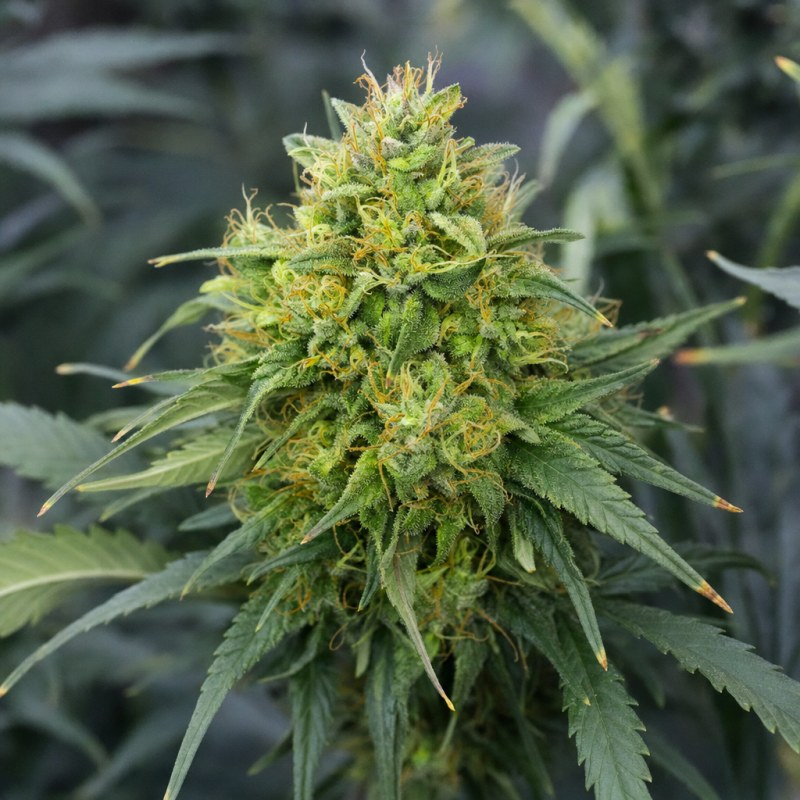
CBG Citrus Nectar Auto Seeds
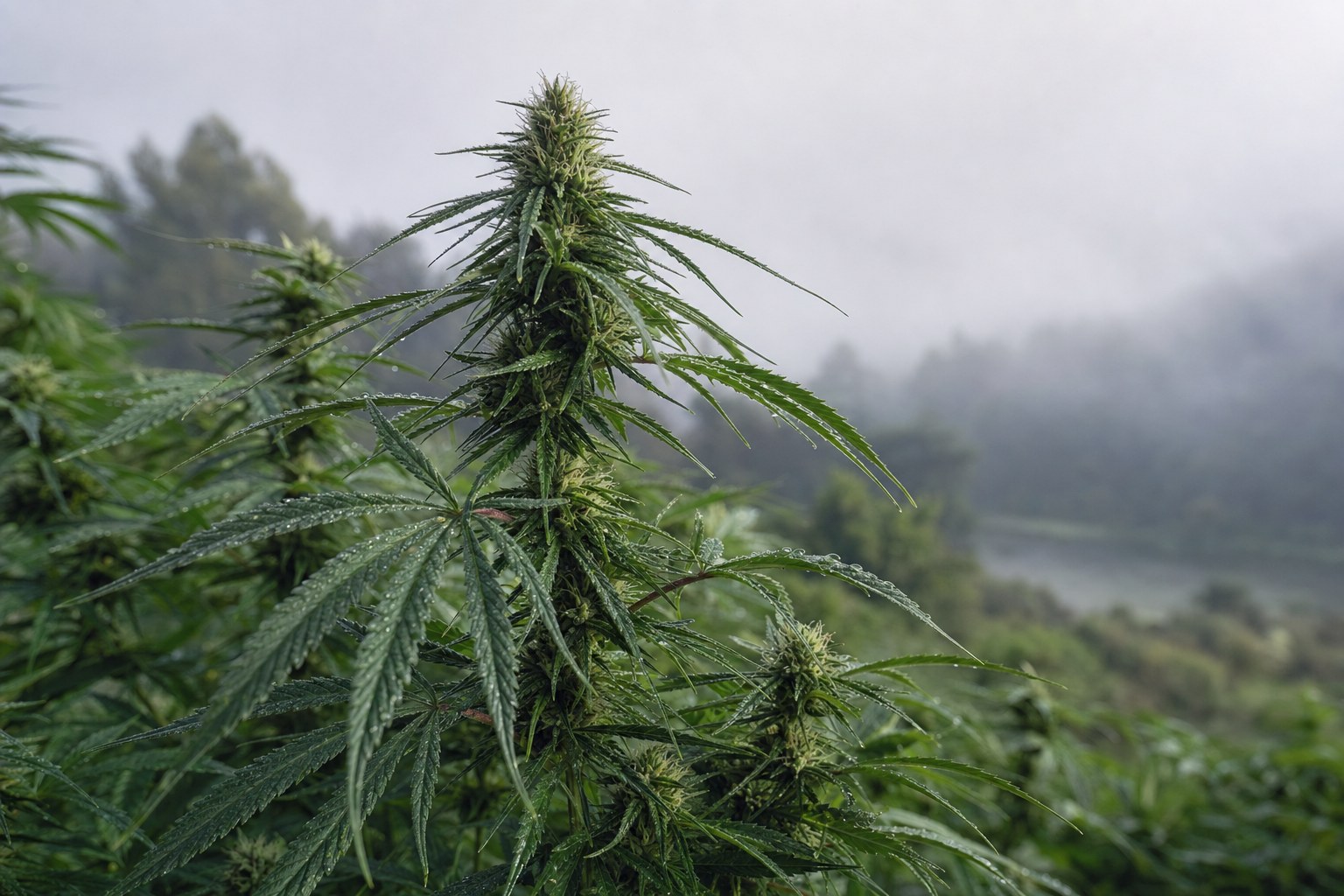
CBG Citrus Nectar Auto is an autoflower seed with a balanced sativa–indica profile and sweet citrus, lemon and fruit flavours.
Specifications
- Genetics
- Auto CBG × Juanita la Lagrimosa CBD; autoflowering hybrid lineage
- Climate
- Hot dry · Temperate · Cool short season
- Height indoor
- up to 120
- Height outdoor
- up to 170
- Yield indoor
- up to 500
- Yield outdoor
- up to 150
Effects
Flavours
Genetics & effects
CBG Citrus Nectar Auto combines Auto CBG with Juanita la Lagrimosa CBD in an autoflowering hybrid lineage. Its profile is evenly balanced at approximately 50% sativa and 50% indica. Published figures indicate up to 10% CBD and a very low THC range of 0–0.2%, although cannabinoid expression can vary with phenotype, environment and harvest timing.
The aromatic profile centres on citrus, lemon, sweet fruit and nectar-like notes. Individual experiences are subjective: some people may describe the overall character as calming, happy or physically relaxed, while others may perceive it as more enlivening or, at times, lethargic. Setting, personal sensitivity and the finished flower’s individual profile can all shape impressions.
Explore autoflower seeds, fast flowering, the New Zealand grow guide, and the planting calendar.
Explore autoflower seeds, fast flowering, the New Zealand grow guide, and the planting calendar.
Growing in the named country
In New Zealand’s southern-hemisphere calendar, spring runs from September to November. This is the main period for starting outdoor plants as conditions become warmer and daylight increases. Autoflowering plants begin flowering according to age rather than a changing light cycle, making timing, root health and steady early growth especially important.
This intermediate-level cultivar is listed for hot, dry, temperate and cool, short-season settings. In humid districts, allow generous airflow and keep foliage away from persistently damp surfaces to reduce the risk of mould. Growers are responsible for understanding and following all rules that apply in their location.
Indoor
Indoors, plants may reach up to 120 cm. A stable environment and an adequately sized final container can help avoid interruptions during the short vegetative phase. Use a free-draining medium, moderate nutrition and consistent lighting. Gentle canopy positioning early in growth may improve light distribution, but heavy or repeated training can be difficult for a fast autoflower to recover from.
The listed indoor yield is up to 500 g/m². This is a reference figure rather than an assured outcome; lighting, plant density, phenotype, skill and environmental control all influence the final amount.
Outdoor
Outdoors, CBG Citrus Nectar Auto may grow to up to 170 cm and produce up to 150 g per plant under favourable conditions. Select a sunny, sheltered position with good drainage. Coastal wind, prolonged rain and abrupt cold snaps may slow development, so a portable container or simple rain cover can be useful where weather changes quickly.
Spring planting from September–November supports warm-season growth. Because the full cycle is comparatively compact, successive legal sowing dates may offer flexibility, provided each plant receives enough warmth and sunlight.
Harvest
The stated flowering window is approximately 8–9 weeks. Check flower maturity directly rather than relying only on a calendar, as cool nights and low light may extend the schedule. For autumn-finishing New Zealand crops, the usual harvest season is March–May; spring-started autoflowers can finish earlier, depending on sowing date and conditions. Dry harvested flowers slowly in a dark, ventilated space, monitoring humidity carefully to preserve their citrus colour, aroma and quality.
Kiwi Seed Bank presents this cultivar as part of its seed catalogue.
Frequently asked questions
What THC and CBD ranges are listed for CBG Citrus Nectar Auto?
The reviewed specification lists 0–0.2% THC and 0–10% CBD. These figures describe the catalogue profile; phenotype, environment and testing can change measured levels.
How long does CBG Citrus Nectar Auto take to flower?
The listed flowering window is 8–9 weeks. Actual timing can vary with phenotype and growing conditions, so use the range as a planning reference rather than a guarantee.
Which New Zealand conditions suit CBG Citrus Nectar Auto?
The reviewed profile lists hot and dry, temperate and cool, short-season conditions and a intermediate difficulty rating. Local daylight, weather, site exposure and care still influence how a plant develops.
What seed format and genetics does CBG Citrus Nectar Auto have?
It is an autoflowering hybrid from Auto CBG × Juanita la Lagrimosa CBD, with a 50% sativa and 50% indica balance; feminised status is not established in the reviewed facts.
What aroma, flavour, and terpene information is available?
The reviewed flavour profile includes citrus, fruit, lemon, and sweet notes, but no specific terpenes or separate aroma details are listed.
How tall can CBG Citrus Nectar Auto grow?
The reviewed specifications list heights of up to 120 cm indoors and up to 170 cm outdoors.
Related genetics
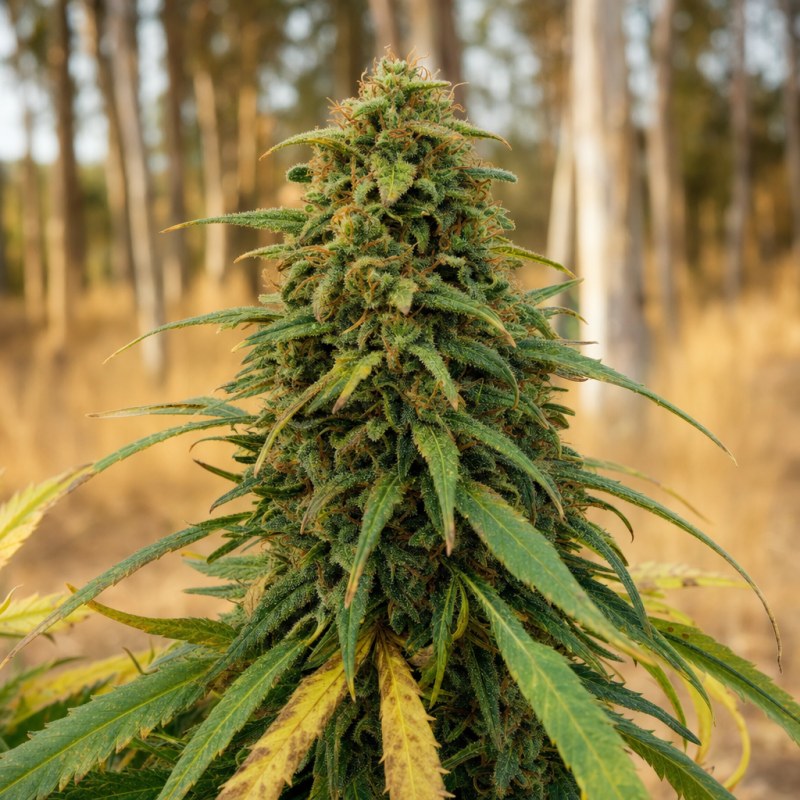
Acapulco Gold Auto
Acapulco Gold Auto is a sativa-dominant autoflower seed with earthy pine, sweet citrus and lemon flavours, suited to hot, dry or temperate climates.
From $89.00
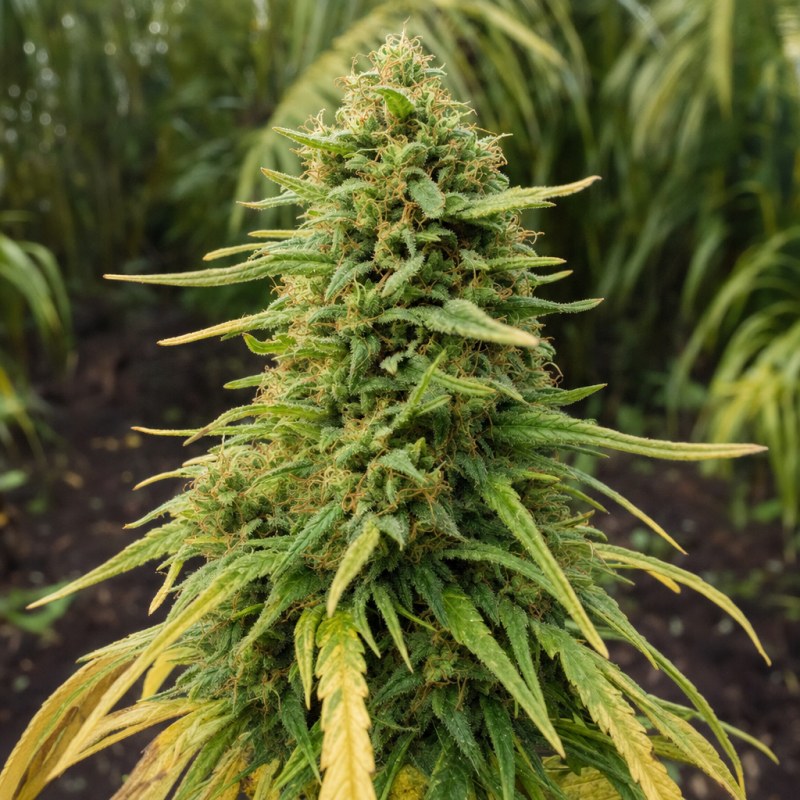
ACDC Auto
ACDC Auto is an autoflower hybrid with a 60% sativa profile. Beginner-friendly plants offer sweet, pine, woody and lemon flavours.
From $99.00
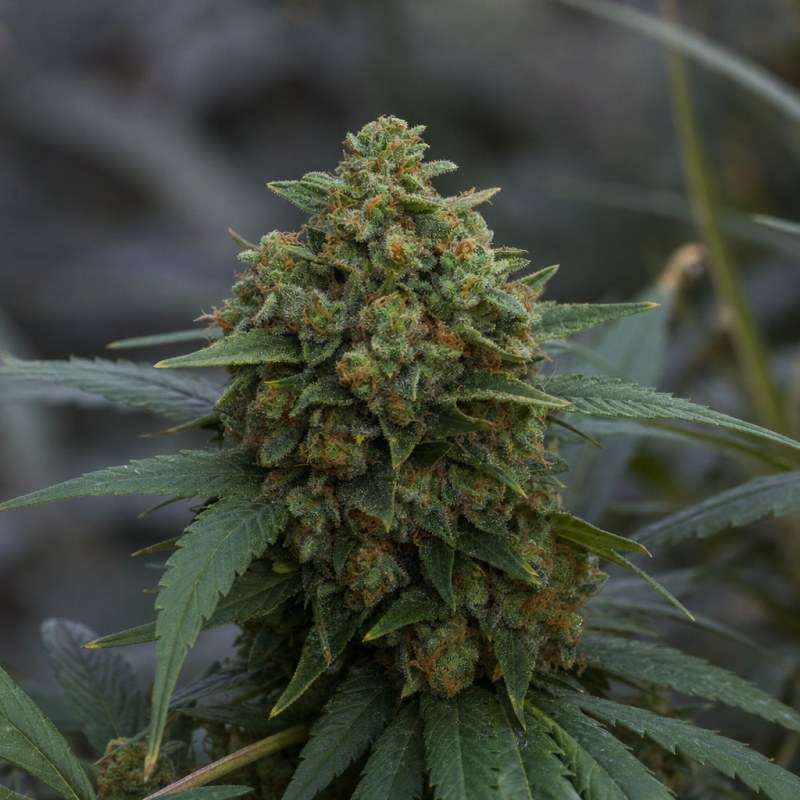
Afghani Auto
Afghani Auto is a beginner-friendly, indica-dominant autoflower with earthy, spicy, woody and sweet flavours.
From $89.00
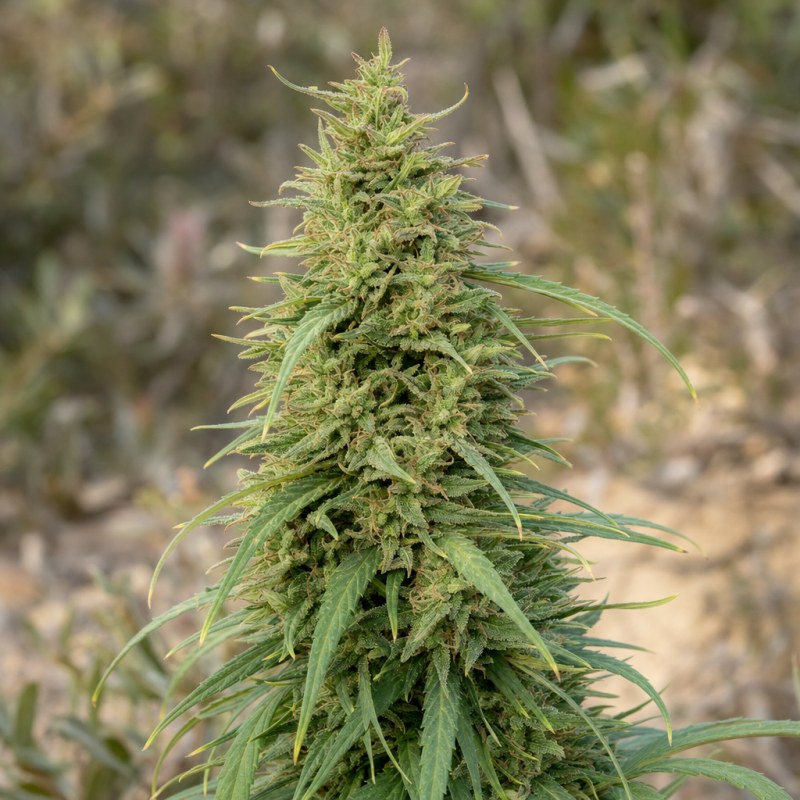
AK-47 Auto
AK-47 Auto is an autoflowering hybrid with a balanced, slightly sativa-leaning profile and pungent, herbal and sweet flavours.
From $79.00
Related grow guides
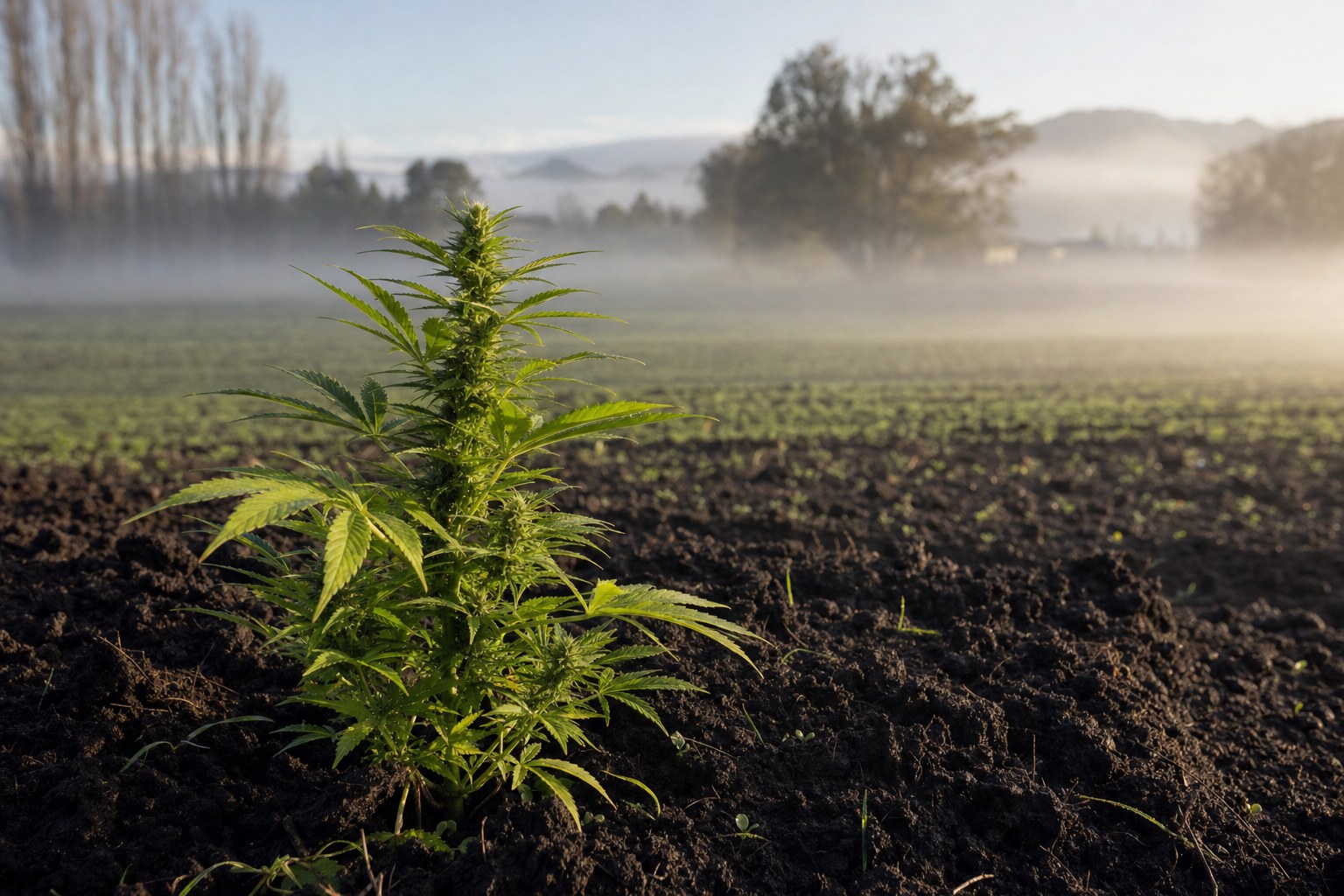
Growing Cannabis in the Waikato: Fog, Frost and Fertile Soil
A regionally focused overview of Waikato soils, morning fog, humidity, frost pockets and seasonal planning for growing cannabis in Hamilton or elsewhere in the Waikato, within lawful settings only.
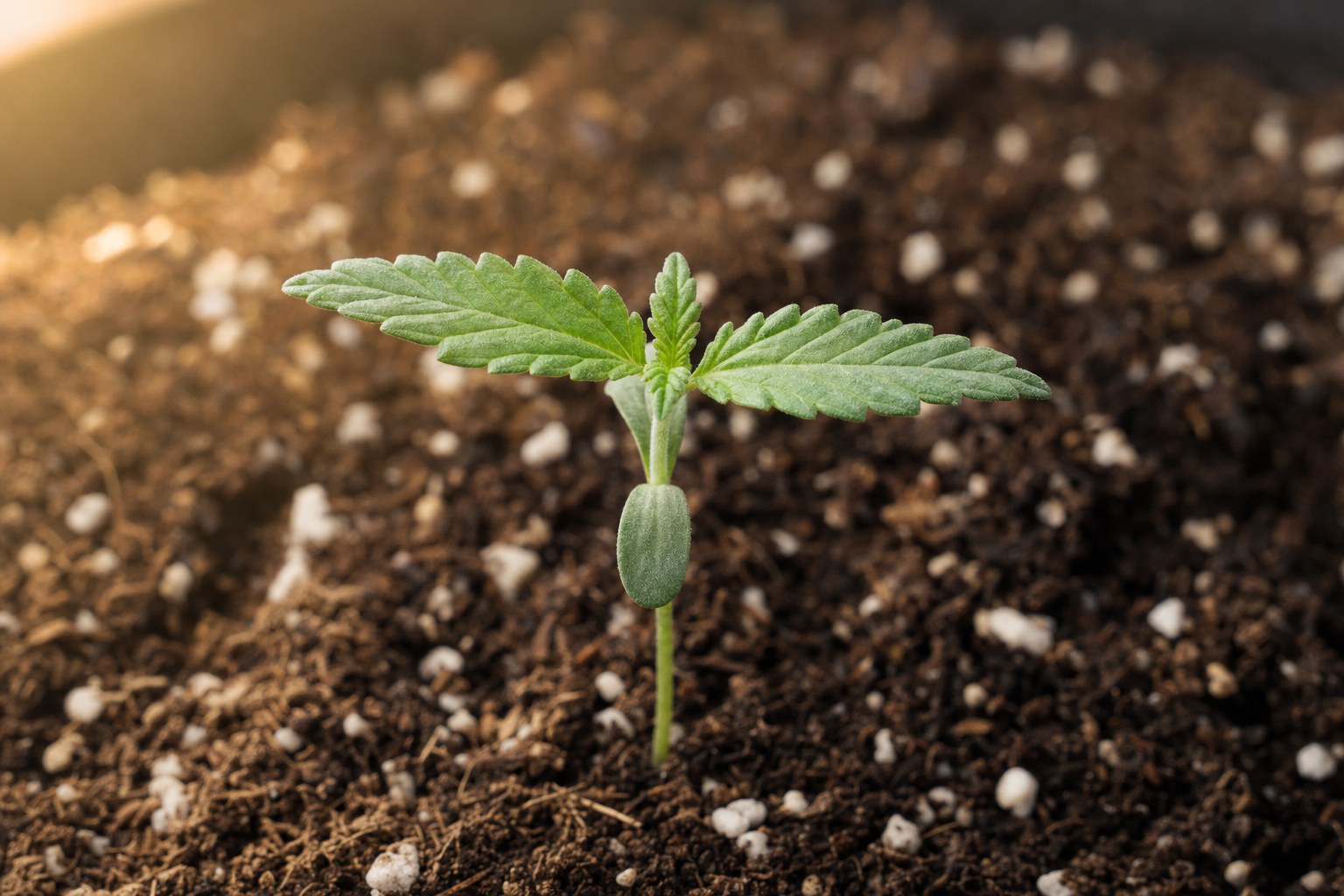
Cannabis Seedling Care: The First Two Weeks
Cannabis seedling care during the first two weeks centres on soft, suitable light, evenly damp growing mix, gentle airflow and a stable environment.
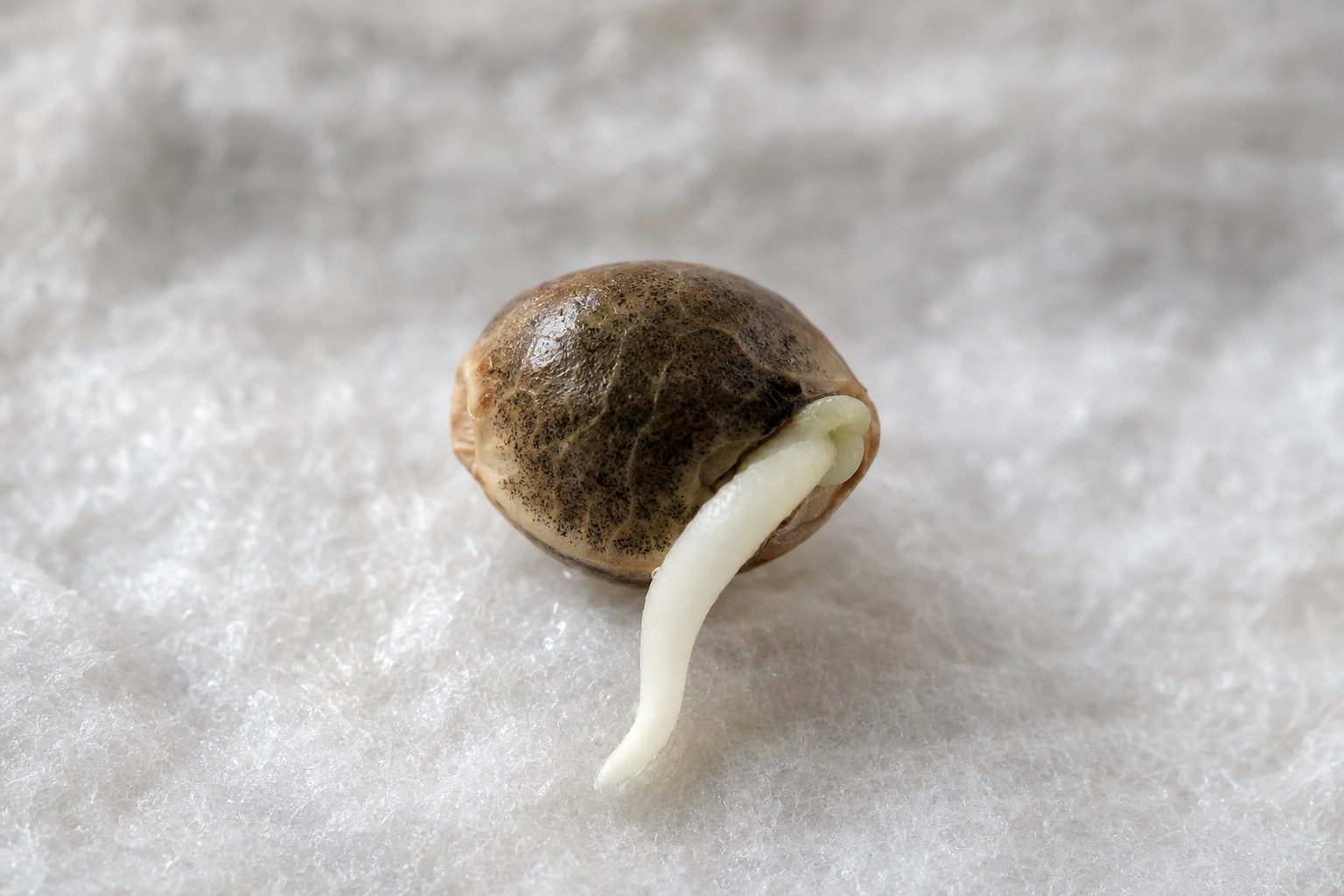
How to Germinate Cannabis Seeds: Paper Towel vs Soil vs Water
Learn how to germinate cannabis seeds using damp paper towels, direct sowing in soil or a short water soak.
Mould-Resistant Strains for New Zealand's Damp Autumns
Learn how to assess mould-resistant cannabis strains for New Zealand’s damp autumn weather, including plant structure, flowering time, regional conditions and practical seasonal planning.