

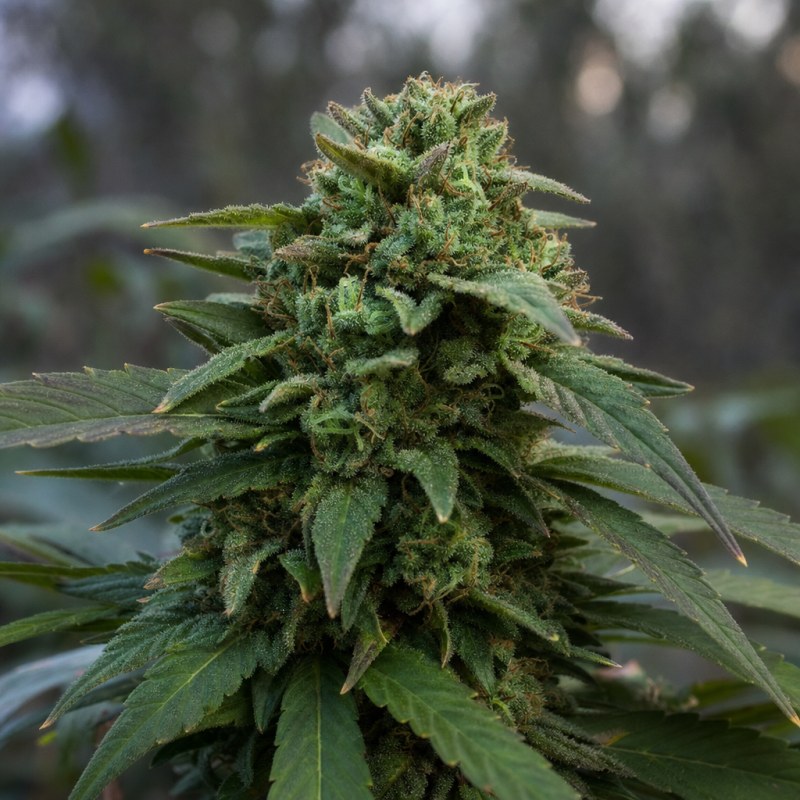
CBD Critical Mass Auto Seeds
CBD Critical Mass Auto is an indica-dominant autoflower with citrus, earthy and spicy flavours, suited to beginners.
Specifications
- Genetics
- CBD Critical Mass lineage crossed with an autoflowering Cannabis ruderalis-derived line
- Climate
- Hot dry · Temperate · Cool short season
- Height indoor
- up to 140
- Height outdoor
- up to 120
- Yield indoor
- up to 600
- Yield outdoor
- up to 120
Effects
Flavours
Terpenes
Genetics & effects
CBD Critical Mass Auto combines CBD Critical Mass lineage with an autoflowering, Cannabis ruderalis-derived line. The result is a feminised autoflower with an approximate 80% indica and 20% sativa profile. Kiwi Seed Bank presents it as an approachable option for growers who favour compact timelines and plants that flower according to age rather than changing daylight hours.
Reported cannabinoid ranges are approximately 3–5% CBD and 3–5% THC. Individual experiences remain subjective, but the effects may feel relaxed and happy while retaining an uplifting or lightly energetic edge. Aroma and flavour can combine citrus and lemon with sweet, earthy, woody and spicy notes, followed by pungent skunk accents. Myrcene, limonene and beta-caryophyllene are among the associated terpenes, although expression can vary between plants and growing environments.
Explore autoflower seeds, cbd seeds, the New Zealand grow guide, and the planting calendar.
Explore autoflower seeds, cbd seeds, the New Zealand grow guide, and the planting calendar.
Growing in the named country
For New Zealand’s southern-hemisphere calendar, spring planting falls between September and November. This autoflower can suit hot, dry regions, temperate areas and cooler locations with shorter summers. Select a bright position, shelter plants from severe wind and avoid consistently saturated soil. In humid districts, generous spacing and steady airflow may reduce the risk of mould around dense flowers.
Autoflowers move through growth quickly, so early stress can have a lasting influence on size. A light, free-draining medium, stable conditions and restrained feeding are generally preferable to frequent major changes. Before possessing or growing cannabis seeds or plants, check the current rules that apply in New Zealand and your local area.
Indoor
Indoors, plants may reach up to 140 cm, depending on container size, lighting, environment and plant variation. A consistent light schedule simplifies the setup because flowering does not rely on a seasonal switch. Gentle plant shaping early in vegetative growth may help keep the canopy even, but heavy pruning is less suited to the limited recovery time of an autoflower.
Keep air moving above and below the canopy, and monitor moisture near developing flowers. The listed indoor yield is up to 600 g/m² under favourable conditions. This figure is an indication rather than an assured outcome, with experience, equipment and phenotype all influencing performance.
Outdoor
Outdoors, the listed height is up to 120 cm, making this a comparatively manageable choice for sunny patios, greenhouses or garden spaces where permitted. Use a container or bed with reliable drainage and allow the upper layer of the medium to dry moderately between watering. In exposed areas, discreet support can help branches remain steady as flowers gain weight.
Potential outdoor production is listed at up to 120 g per plant. Strong sunlight and stable warmth may support fuller development, while cool nights, persistent rain and limited direct light can lower output. Aromas may become pungent late in flowering, with citrus, wood and skunk among the more noticeable notes.
Harvest
The stated flowering period is approximately 7–8 weeks, though the complete seed-to-harvest cycle may be longer and should be judged plant by plant. For New Zealand planning, spring sowing takes place from September–November, while the main outdoor harvest window is March–May. Autoflower timing can finish outside that window depending on sowing date and local conditions.
Assess maturity through overall flower development and trichome appearance rather than relying only on a calendar. Harvest during a dry spell where possible, handle flowers carefully and maintain clean tools and good airflow during post-harvest drying to preserve their colour, aroma and structure.
Frequently asked questions
What THC and CBD ranges are listed for CBD Critical Mass Auto?
The reviewed specification lists 3–5% THC and 3–5% CBD. These figures describe the catalogue profile; phenotype, environment and testing can change measured levels.
How long does CBD Critical Mass Auto take to flower?
The listed flowering window is 7–8 weeks. Actual timing can vary with phenotype and growing conditions, so use the range as a planning reference rather than a guarantee.
Which New Zealand conditions suit CBD Critical Mass Auto?
The reviewed profile lists hot and dry, temperate and cool, short-season conditions and a beginner difficulty rating. Local daylight, weather, site exposure and care still influence how a plant develops.
What seed format and genetics does CBD Critical Mass Auto have?
CBD Critical Mass Auto is an autoflowering line with CBD Critical Mass lineage crossed with an autoflowering Cannabis ruderalis-derived line, and its reviewed profile is 80% indica and 20% sativa.
What aromas and terpenes are associated with CBD Critical Mass Auto?
Its reviewed flavours include citrus, lemon, earthy, spicy, sweet, woody, pungent and skunk notes, with myrcene, limonene and beta-caryophyllene listed as terpenes.
What yield potential does CBD Critical Mass Auto have?
Its reviewed yield potential is up to 600 g/m² indoors and up to 120 g per plant outdoors, but these figures are not guaranteed.
Related genetics
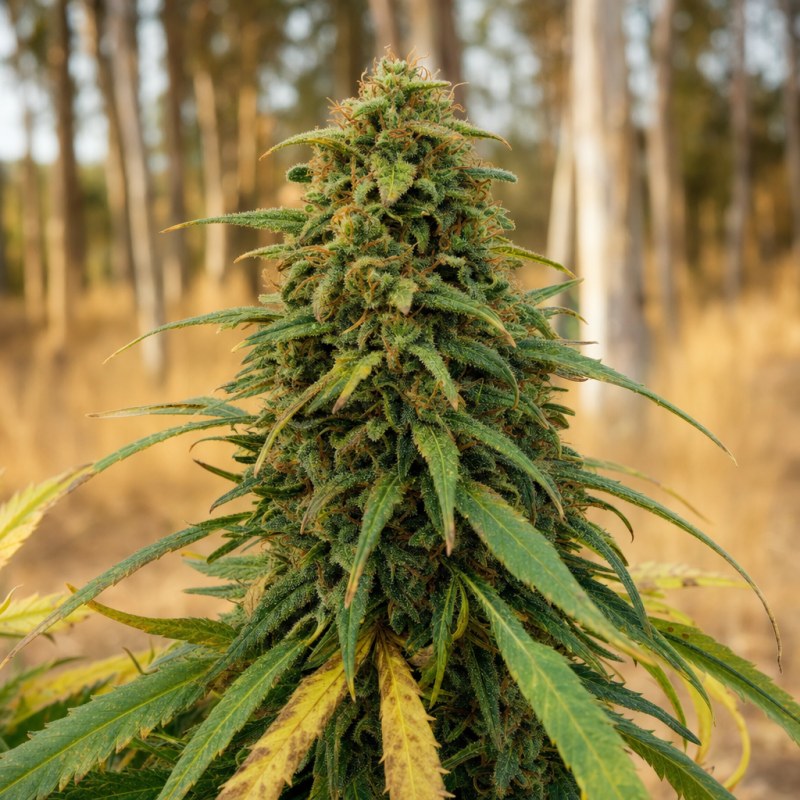
Acapulco Gold Auto
Acapulco Gold Auto is a sativa-dominant autoflower seed with earthy pine, sweet citrus and lemon flavours, suited to hot, dry or temperate climates.
From $89.00
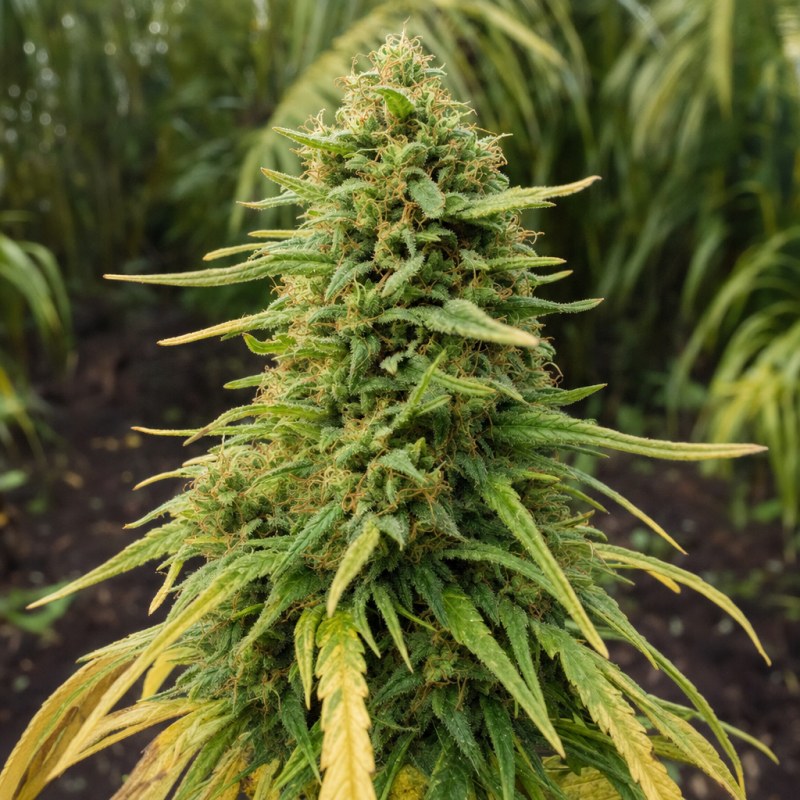
ACDC Auto
ACDC Auto is an autoflower hybrid with a 60% sativa profile. Beginner-friendly plants offer sweet, pine, woody and lemon flavours.
From $99.00
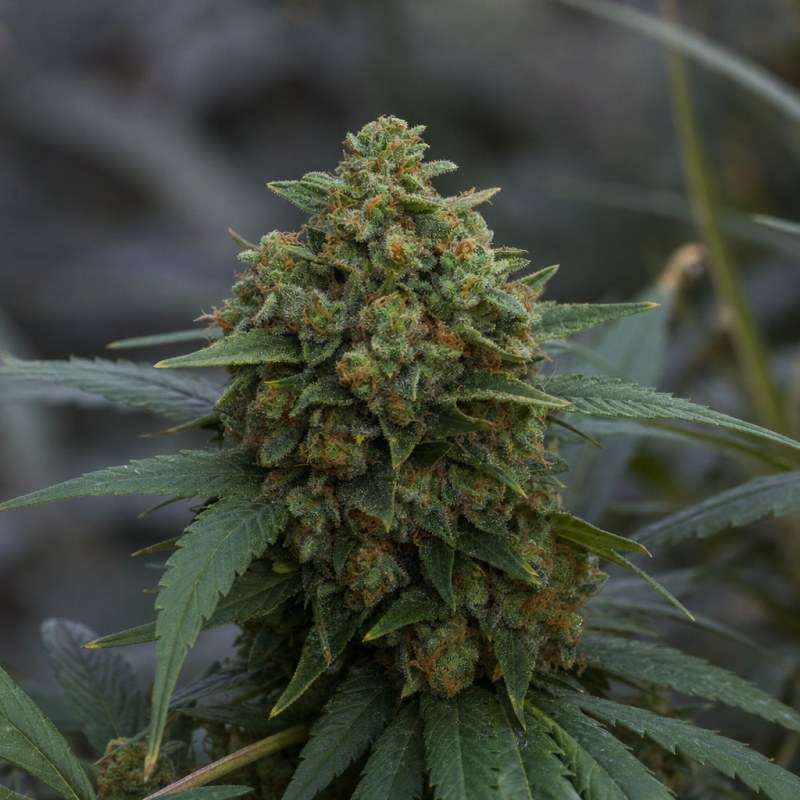
Afghani Auto
Afghani Auto is a beginner-friendly, indica-dominant autoflower with earthy, spicy, woody and sweet flavours.
From $89.00
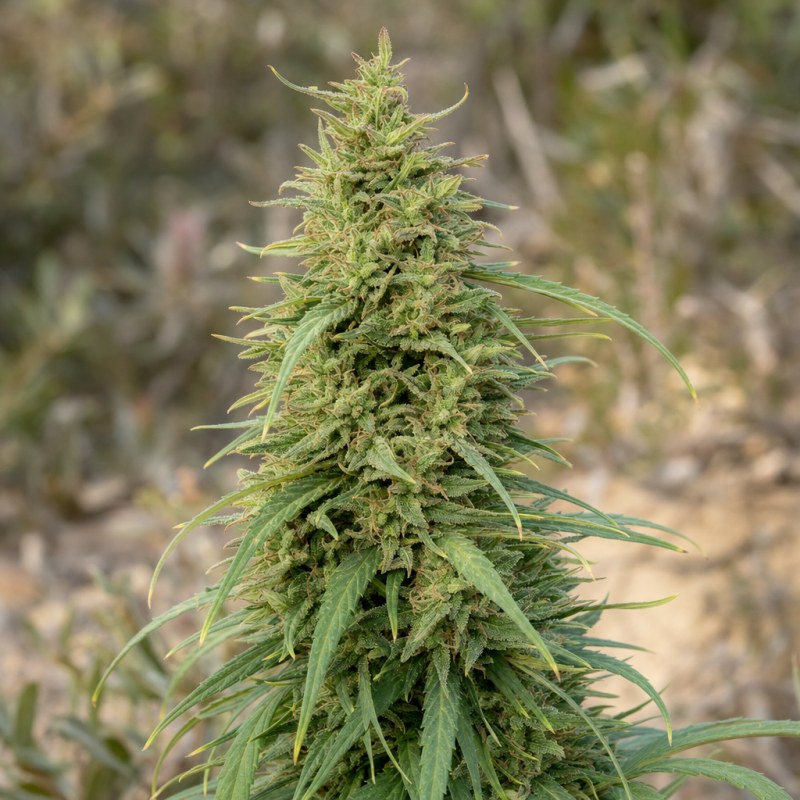
AK-47 Auto
AK-47 Auto is an autoflowering hybrid with a balanced, slightly sativa-leaning profile and pungent, herbal and sweet flavours.
From $79.00
Related grow guides
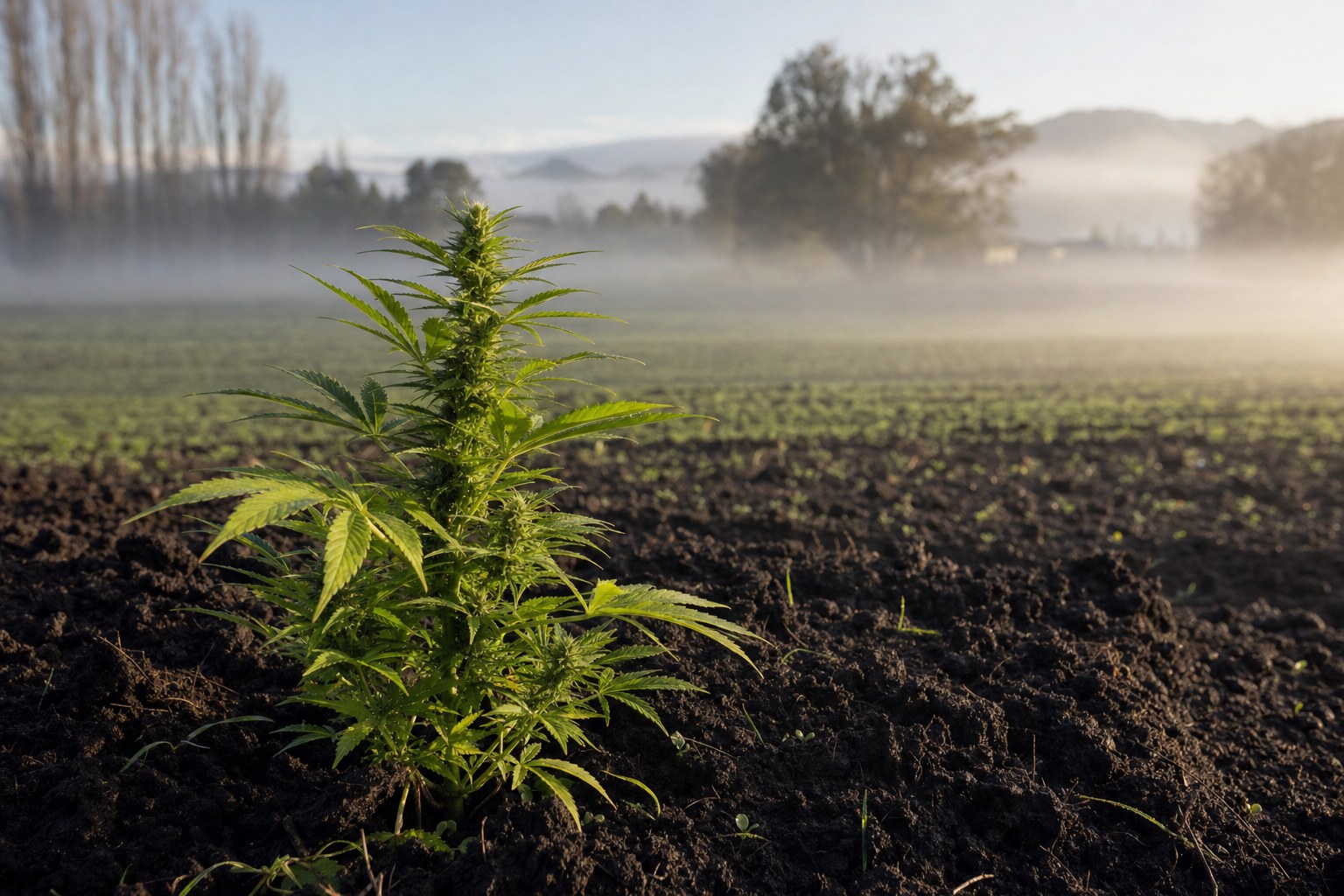
Growing Cannabis in the Waikato: Fog, Frost and Fertile Soil
A regionally focused overview of Waikato soils, morning fog, humidity, frost pockets and seasonal planning for growing cannabis in Hamilton or elsewhere in the Waikato, within lawful settings only.
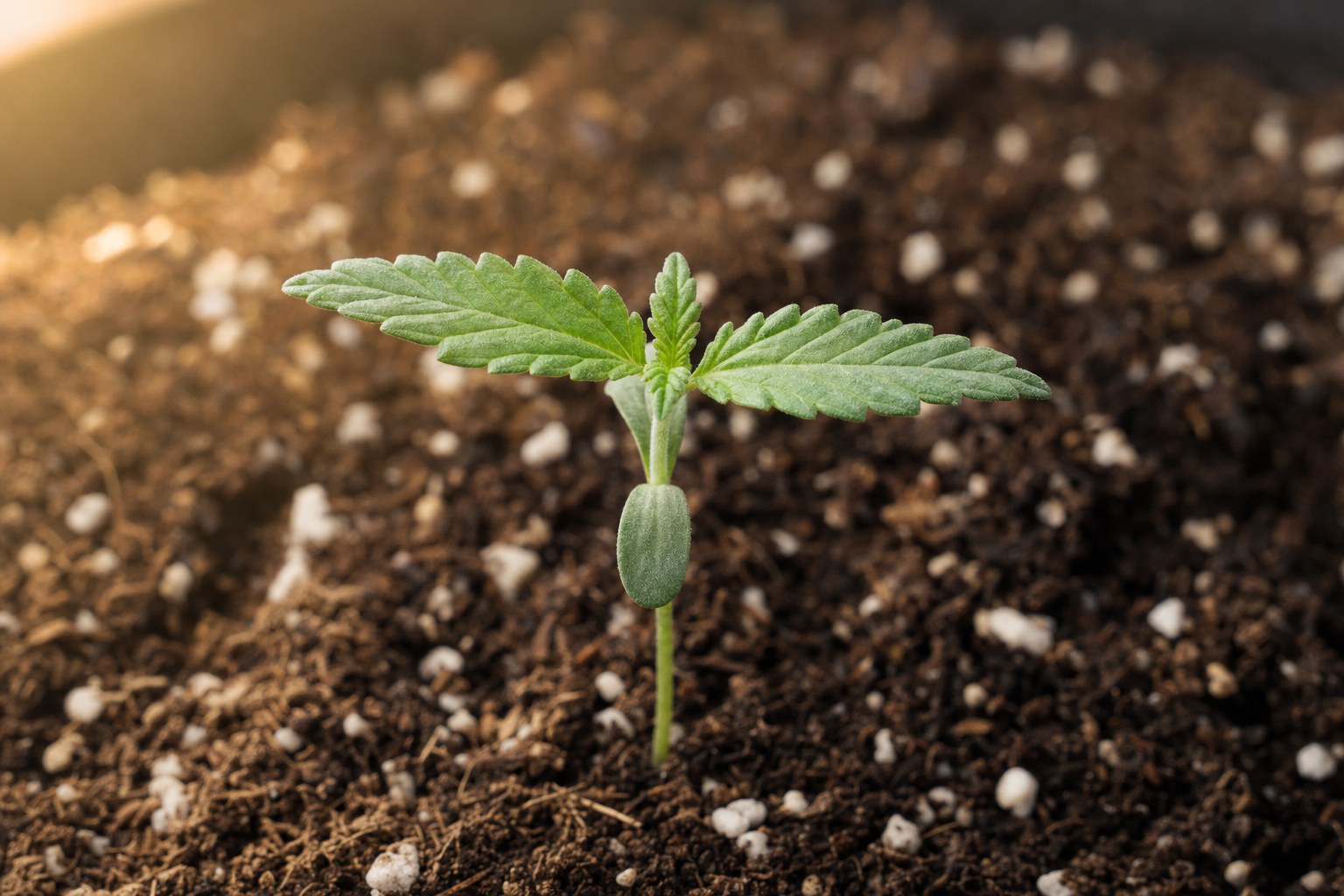
Cannabis Seedling Care: The First Two Weeks
Cannabis seedling care during the first two weeks centres on soft, suitable light, evenly damp growing mix, gentle airflow and a stable environment.
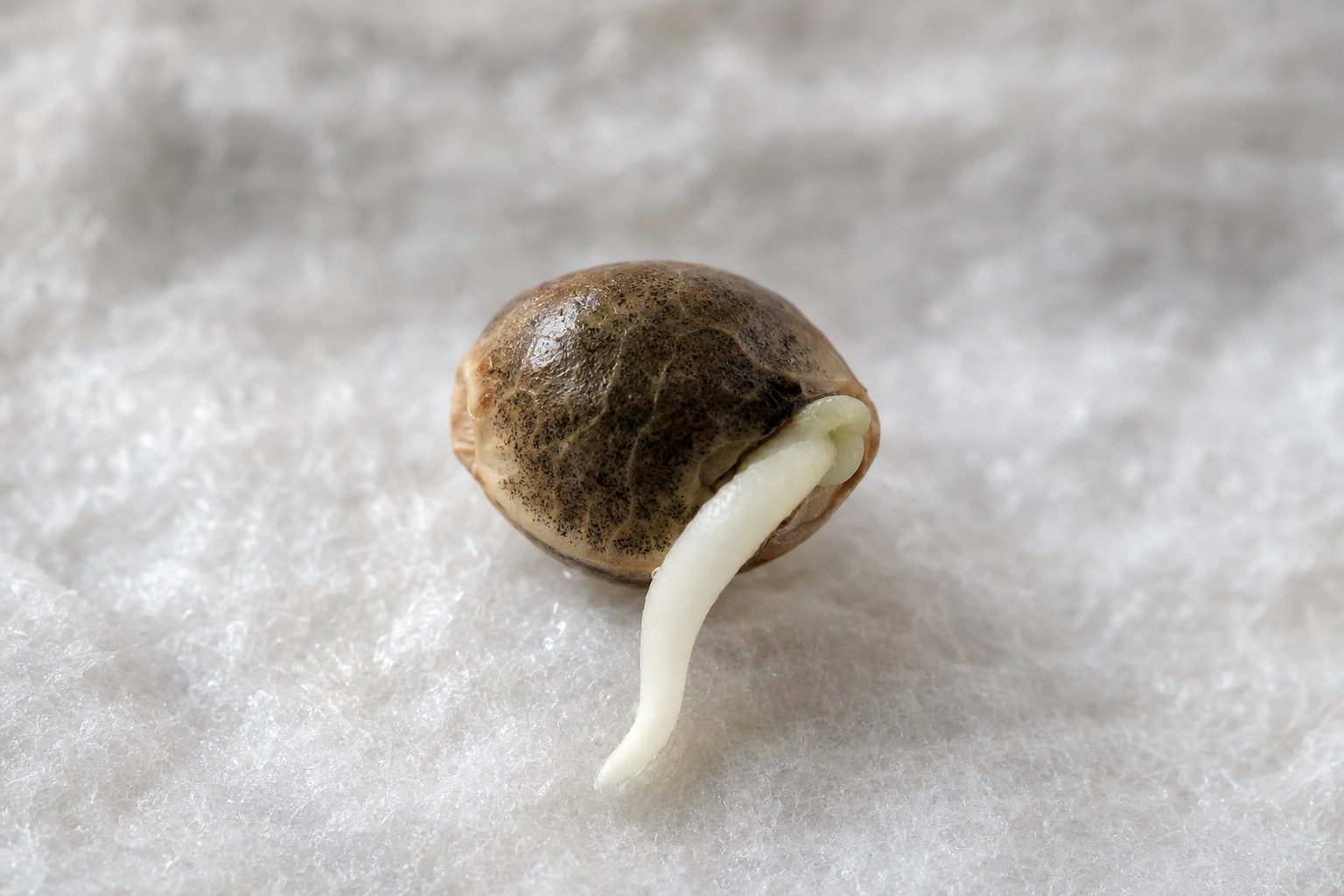
How to Germinate Cannabis Seeds: Paper Towel vs Soil vs Water
Learn how to germinate cannabis seeds using damp paper towels, direct sowing in soil or a short water soak.
Mould-Resistant Strains for New Zealand's Damp Autumns
Learn how to assess mould-resistant cannabis strains for New Zealand’s damp autumn weather, including plant structure, flowering time, regional conditions and practical seasonal planning.