

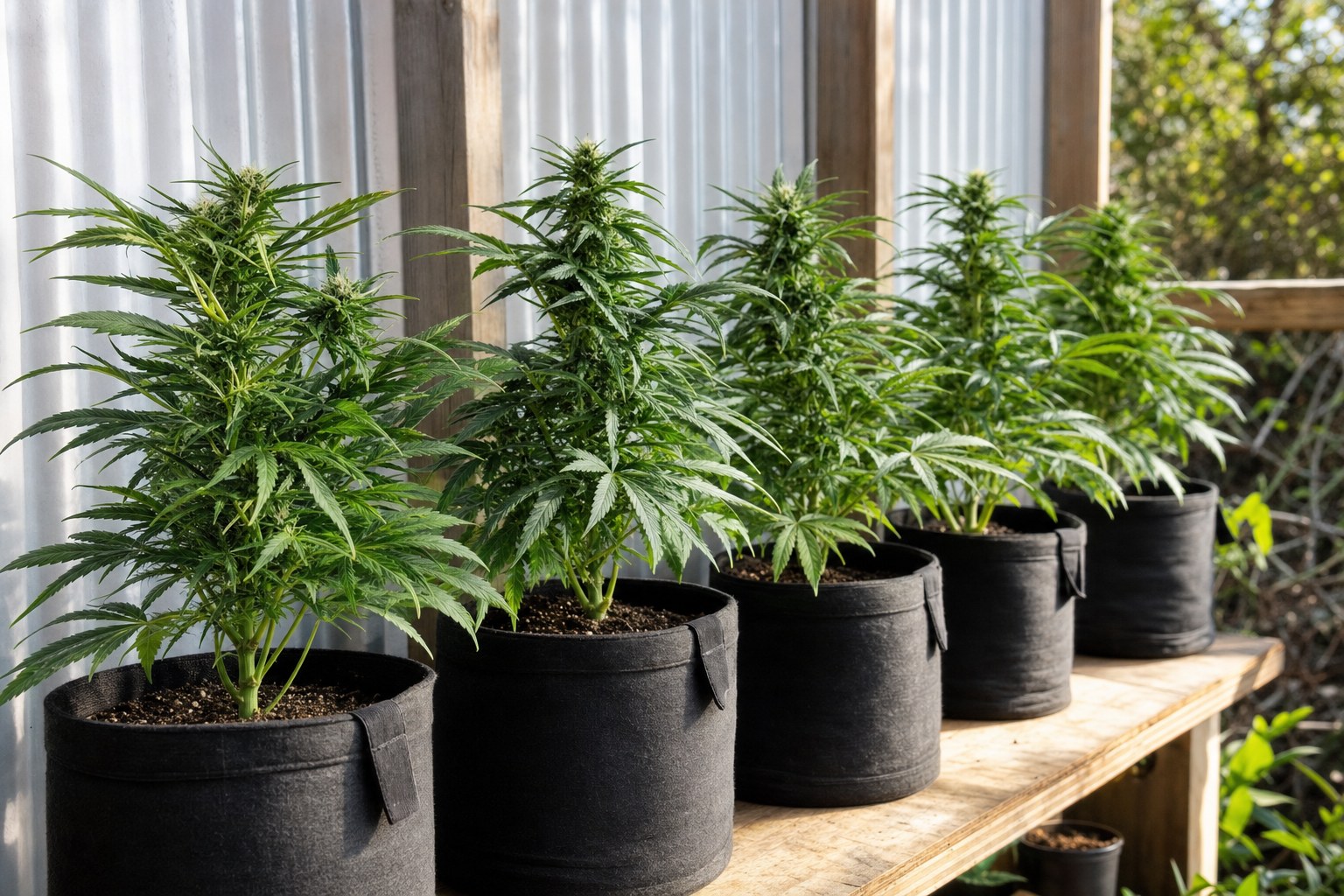
The easiest strains to grow in NZ are Northern Lights, White Widow, Blue Dream, Critical, Blueberry, Afghan Kush, Skunk #1 Auto, Pineapple Express Auto, Lowryder Auto and Kiwi Kush Auto. These beginner-friendly choices generally offer manageable growth, dependable structure or a shorter autoflowering cycle. The best option depends on your region, available space and seasonal window.
Key takeaways
- Northern Lights and Afghan Kush are compact options for growers who want straightforward plant structures.
- White Widow, Critical and Skunk #1 Auto are appealing where resilience and a relatively direct growing routine matter.
- Blue Dream and Blueberry generally need more room and attention to airflow.
- Autoflowers finish according to age rather than changing daylight hours, but early setbacks can have a lasting effect.
- Regional conditions matter: warm northern areas offer a longer outdoor window, while cooler southern locations reward faster, weather-aware choices.
What makes a strain beginner-friendly in New Zealand?
A beginner-friendly strain should match the grower’s actual environment rather than an idealised setup. Predictable branching, manageable height, reasonable resilience and a seasonal finish suited to the local climate all make a first grow easier to manage. Seed type matters too, but good daily observation remains more important than any label.
Simple growth habits and manageable plant size
Compact, naturally sturdy plants are easier to position beneath indoor lights, shelter in a greenhouse and protect from strong outdoor wind. A simple structure also makes watering, inspection and gentle training less confusing. Taller varieties can still suit beginners, provided there is enough vertical room and the grower plans early for stretching and support.
Climate fit, flowering time and resilience
New Zealand conditions vary considerably. Northland may remain warm and humid well into autumn, whereas inland and southern districts can experience cool nights much earlier. A strain that finishes within the available warm-weather window reduces exposure to prolonged rain. In humid districts, open spacing and steady airflow help reduce the risk of mould around dense flowers.
Autoflowering versus feminised seeds for beginners
Feminised photoperiod plants usually begin flowering as daylight shortens, giving growers time to shape plants during vegetative growth. Autoflowers flower according to age and can fit shorter windows or smaller spaces. However, their fixed schedule leaves less time for recovery after overwatering, root disturbance or poor early growth. Neither type is automatically easiest in every setup.
10 of the easiest strains to grow in New Zealand
1. Northern Lights
Northern Lights is a favourite starting point because it commonly develops a compact, sturdy frame with limited fuss. It is well suited to indoor tents, sheltered greenhouses and discreet outdoor spaces. Dense flowering growth means airflow still deserves attention, especially during damp autumn weather. Growers with restricted headroom may find its generally manageable shape reassuring.
2. White Widow
White Widow is widely chosen for its balanced growth pattern and adaptable nature. It can work indoors or outdoors where the season is sufficiently warm. Its branching responds well to basic plant training, but beginners do not need to use complicated techniques. Allow space between branches and monitor changing moisture levels as flowers become fuller.
3. Blue Dream
Blue Dream can be approachable for beginners who have generous space. It commonly grows with more height and reach than compact indica-leaning options, so early planning is important. Indoors, gentle bending can maintain an even canopy. Outdoors, use a sunny location with shelter from severe wind and enough room for lateral branches.
4. Critical
Critical appeals to first-time growers seeking vigorous, uncomplicated growth and a relatively prompt seasonal finish. Its productive branching may need support later, particularly outdoors after wind or rain. Keep the canopy open, avoid crowding and inspect branch junctions regularly. A greenhouse can offer useful weather protection, provided warm, moist air can escape.
5. Blueberry
Blueberry often forms a bushier plant with attractive colour expression under cooler late-season temperatures. It suits growers prepared to maintain airflow through the centre of the canopy. Avoid keeping the root zone constantly wet, and provide enough spacing for leaves to dry after rain. Its moderate structure can fit indoor rooms and sheltered outdoor plots.
6. Afghan Kush
Afghan Kush is known for a low, robust structure that can be simpler to manage than highly stretching varieties. It is a practical indoor candidate and may suit outdoor areas exposed to occasional wind. Because compact flowers can hold moisture, autumn inspections are important. Support laden branches rather than waiting for them to lean or split.
7. Skunk #1 Auto
Skunk #1 Auto offers a compact autoflowering route for growers who want a straightforward schedule. It can fit balconies, small greenhouses or indoor setups, subject to local requirements. Start it in a suitable final container to minimise root disturbance. Consistent light, mild feeding and careful watering are preferable to aggressive changes during its short vegetative stage.
8. Pineapple Express Auto
Pineapple Express Auto combines autoflowering timing with moderately vigorous growth. It suits beginners able to provide strong light and stable conditions from the beginning. Its branching may need a little more space than very small autos. Use gentle support rather than heavy training, and maintain air movement around the developing canopy during humid periods.
9. Lowryder Auto
Lowryder Auto is an especially compact choice for limited spaces and short seasonal opportunities. Its small size can simplify positioning, but it also means early mistakes may noticeably affect final plant development. Avoid oversized containers that stay wet for too long. Regularly lift the pot to learn how its weight changes as the growing medium dries.
10. Kiwi Kush Auto
Kiwi Kush Auto is a convenient option for growers wanting autoflowering timing with a compact to medium footprint. It may suit a sunny patio, greenhouse or indoor environment where conditions remain stable. Give the main stem steady light exposure and avoid repeated repotting. Outdoors, shelter it from heavy downpours and abrupt cold snaps during early growth.
Quick comparison of these beginner-friendly strains
Seed type, expected space needs and seasonal fit
- Compact feminised choices: Northern Lights and Afghan Kush suit limited vertical space.
- Medium feminised choices: White Widow, Critical and Blueberry balance manageable form with useful branching.
- Larger feminised choice: Blue Dream is better where height and width are available.
- Compact autos: Lowryder Auto and Skunk #1 Auto suit short windows and smaller containers.
- Medium autos: Pineapple Express Auto and Kiwi Kush Auto benefit from a little more canopy room.
Choosing for indoor, greenhouse or outdoor conditions
Indoors, choose by mature height, ventilation capacity and light coverage. Greenhouses add warmth and rain shelter, but vents and fans may be needed to release humidity. Outdoors, assess direct sun, wind exposure, privacy, drainage and the likely arrival of autumn rain. A smaller healthy plant matched to its location is usually easier than an oversized plant forced into an unsuitable area.
Matching your choice to New Zealand’s growing seasons
Spring planning and planting
Spring is the time to prepare containers, drainage, growing medium and weather shelter. Outdoor starts should wait until local conditions are reliably mild, particularly in frost-prone districts. Harden indoor-raised seedlings gradually by increasing their time outside. Northland and Auckland usually warm earlier than Canterbury, Otago and elevated central areas, so calendar dates should remain flexible.
Managing growth through summer
During summer, check container moisture frequently without watering automatically. Hot nor’west conditions can dry pots rapidly, while humid northern weather may keep them damp. Secure tall branches before windy days, keep foliage from pressing against walls and inspect leaf undersides. Photoperiod plants can be shaped early in summer; autos generally suit only low-stress adjustments.
Preparing for cooler, wetter autumn conditions
As nights lengthen, reduce unnecessary leaf wetting and improve air movement around flowering sites. Remove fallen debris, maintain plant spacing and use rain shelter without enclosing plants in stagnant air. Northern growers may face persistent humidity, while southern growers may need to respond to cold nights and early storms. Watch plant maturity and weather forecasts together rather than relying only on a date.
Regional notes
- Upper North Island: Longer warmth supports larger photoperiod plants, but humidity makes canopy spacing particularly important.
- Central North Island: Account for elevation, cool nights and local frost pockets when starting or finishing outdoors.
- Lower North Island: Wind shelter and sturdy supports can be as important as warmth.
- Upper South Island: Sunny areas may offer good outdoor conditions, although autumn rain can change plans quickly.
- Canterbury, Otago and Southland: Faster strains, autos, greenhouses and movable containers can help growers work within shorter warm periods.
Common first-grow mistakes to avoid
Starting too many plants
More plants create more watering decisions, canopy crowding and environmental demand. Begin with a number that comfortably fits the available light and airflow. Leave room to walk around each plant for inspection. A simple setup also makes it easier to identify how one adjustment affects growth.
Overwatering and overfeeding
Roots need both moisture and oxygen. Watering again while the medium remains saturated can slow growth, while strong feeding can damage young plants. Use container weight, surface dryness and plant appearance together. Make one modest adjustment at a time and allow the plant to respond before changing anything else.
Ignoring airflow, moisture and changing weather
Still, humid air becomes more concerning as flowers gain density. Keep leaves from resting against tent walls or greenhouse panels, space branches and inspect after rain. Outdoor growers should prepare ties and shelter before a forecast storm. Indoors, extraction and circulation should move air gently without blasting one section continuously.
Harvesting before the plant is ready
Flowering estimates are planning guides rather than fixed deadlines. Plant expression, weather, root health and light can all alter timing. Observe overall flower development instead of acting because a calendar date has arrived. If severe weather is approaching, balance maturity against the practical risk of leaving plants exposed.
Beginner strain FAQs
Are autoflowers easier for first-time growers?
Autoflowers remove the need to change indoor light schedules and can finish within compact seasonal windows. Their fixed life cycle is convenient, but it gives beginners less time to correct early setbacks. They are easiest when strong light, suitable containers and careful watering are available from germination onward.
Which strains suit a short New Zealand summer?
Lowryder Auto, Skunk #1 Auto, Kiwi Kush Auto and Pineapple Express Auto are logical candidates for shorter windows. Critical may also appeal to growers wanting a feminised photoperiod option with a relatively prompt finish. Actual suitability depends on local temperatures, sunlight and autumn weather.
When should outdoor growers start seeds in New Zealand?
Start according to local temperature and frost risk rather than a single nationwide date. Many growers plan during spring and move plants outside once conditions are consistently mild. Cooler inland and southern districts generally require a later outdoor transition than coastal northern locations. Gradual acclimatisation reduces stress from sun, wind and temperature shifts.
What should beginners consider before ordering seeds?
Confirm current rules that apply in your location and circumstances. Then consider seed type, mature plant size, smell management, available light, airflow, seasonal length and the time required for regular care. Select fewer seeds than the theoretical maximum capacity of the space, leaving room for healthy development.
Choosing your first strain responsibly
The easiest strains to grow in NZ are those that fit your conditions and experience. Choose compact Northern Lights or Afghan Kush for simpler space management, a balanced option such as White Widow or Critical for versatility, or an auto for a shorter schedule. Keep the setup modest, monitor plants consistently and adapt to regional weather. Always understand the current requirements that apply before obtaining seeds or cultivating cannabis.