

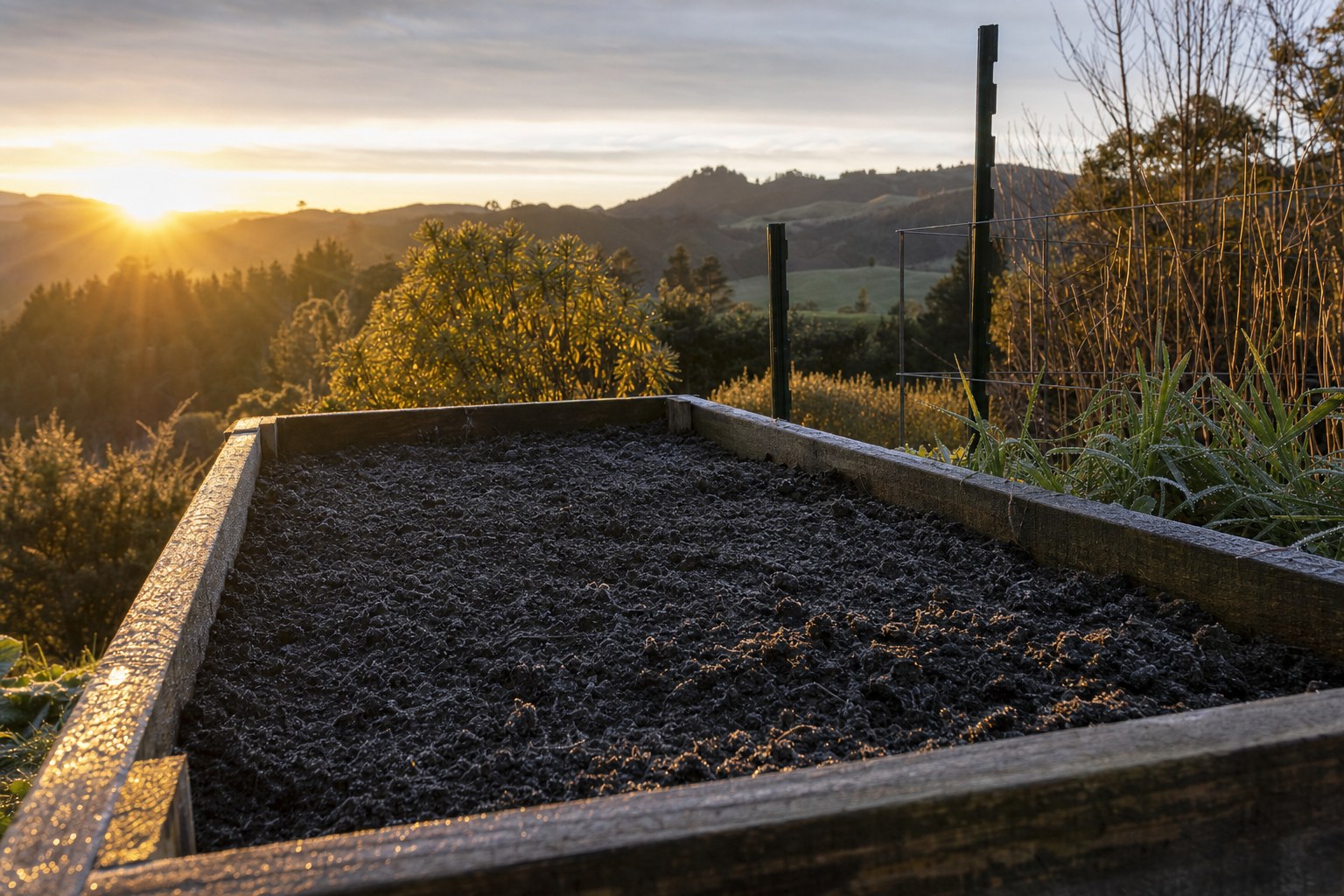
If cannabis legalisation in NZ arrives in 2026 or later, day one would begin with reading the enacted law—not planting immediately. Confirm that the rules have commenced, that home growing is permitted, and that you meet every age, plant, possession, property and security requirement. Announcements, proposals and referendum material do not create legal permission.
By the Kiwi Seed Bank grow team
Key takeaways
- Wait for enacted rules: A policy announcement, parliamentary vote or proposed bill may not authorise possession, seed acquisition or cultivation.
- Check the commencement date: New rules can become law on one date but take effect weeks or months later.
- Read the details: Age thresholds, plant limits, household caps, possession rules and visibility requirements may all differ.
- Plan for your property: Tenancy agreements, body corporate rules, council requirements and practical neighbour considerations may still apply.
- Match the setup to your region: Auckland humidity, Wellington wind, Canterbury frosts and southern season length require different planning.
- Avoid unsupported promises: No seed label can override weather, grower skill, legal limits or the conditions in a particular garden.
What “day one” would—and would not—mean for Kiwi growers
Public discussion of cannabis legalisation NZ 2026 may create the impression that change would happen all at once. In practice, reform could involve several stages: a bill, select committee work, parliamentary votes, formal enactment, regulations and a commencement date. Cultivation would remain outside the new framework until the relevant provisions were actually in force.
Day one would therefore be an administrative checkpoint as much as a gardening milestone. A careful grower would confirm what is permitted, who may participate, where plants may be kept and whether seeds can lawfully be obtained. It would not be a reason to rely on old campaign summaries, social media posts or overseas rules.
Check the enacted law and commencement date
Start with the final wording of New Zealand law and any regulations made under it. Look for a clearly stated commencement provision. Some legislation begins immediately; other legislation names a future date or allows different sections to begin at different times.
Also check whether regulations, licensing systems or official guidance are still being developed. Parliament could permit a future home-growing framework while leaving important operational details to later regulations. If the legal position is unclear, pause. Garden preparation that is lawful in its own right can wait without creating the avoidable risk associated with possessing cannabis seeds or plants too early.
Confirm age, possession, home-growing and household limits
Do not assume that a plant limit would apply separately to every adult. A future framework might use a per-person limit, a household ceiling, or both. It could distinguish between seedlings, vegetative plants, flowering plants and harvested cannabis. Possession limits at home might also differ from limits in public.
Check the minimum age and whether adults must personally control their plants. Find out how shared homes are handled and whether harvested material from an earlier crop counts towards a possession cap. If weighing or record-keeping is required, include those tasks in the growing plan from the beginning.
Rules around sharing, gifting, seed exchange, sale and transport may be separate from home cultivation. Permission to grow would not automatically mean permission to sell produce, supply another person or carry unrestricted amounts away from the property.
Follow local council, tenancy and property rules
National reform would not erase every other obligation. Tenants should read their tenancy agreement and seek clarification before making alterations, installing high-powered equipment or building a greenhouse. Apartment residents may also be subject to body corporate rules concerning electrical work, ventilation, odour, common areas and balconies.
Council requirements could matter when adding a shed, greenhouse, electrical circuit, extraction outlet or substantial water system. Outdoor plants may be affected by fencing, visibility and nuisance expectations. Homeowners should check insurance conditions before changing wiring or adding equipment that increases power demand.
Get written permission for modifications when required. Use appropriately qualified tradespeople for fixed electrical work. Legalisation would not make improvised wiring, overloaded circuits or uncontrolled moisture acceptable.
Lessons from New Zealand’s 2020 cannabis referendum
The 2020 referendum asked voters about a proposed legal framework, but the proposal did not become law. Its detailed model remains useful as an example of how public discussion can be mistaken for current rules. Campaign documents can explain an idea without granting any legal right to act on it.
Future reform may look different from the 2020 proposal. Plant numbers, age limits, retail settings, public possession limits and household rules could all change during the parliamentary process. Growers should avoid building plans around remembered referendum figures.
Why proposals, announcements and enacted rules are different
A political party policy describes an intention. A government announcement may signal planned work. A bill is draft legislation before Parliament and can be amended. Even after passage, operational regulations or delayed commencement provisions may still be needed.
This distinction matters because cultivation has several stages with legal significance, including obtaining seeds, germinating them, keeping plants and holding a harvest. A headline saying that legalisation has “passed” may not explain which activities are allowed that day. Read beyond the headline and identify the exact provision applying to your intended activity.
A sensible day-one rule is simple: if you cannot identify the in-force provision that permits the activity, do not begin it.
Where to look for official updates before taking action
Use current New Zealand legislation and official government guidance. Check that the page is current, note the date of the latest update and confirm whether it discusses personal cultivation or a separate commercial or regulated scheme. Rules for licensed industry activity should not be assumed to apply to home growers.
Seed importation can involve biosecurity requirements as well as cannabis law. A change to domestic cultivation rules would not necessarily remove border controls or permit personal importation. Check both legal areas before ordering anything from offshore. If official information conflicts with a summary or forum post, rely on the current official position and obtain independent legal guidance where needed.
Make a lawful growing plan before buying or planting
A plan helps separate ordinary garden preparation from activities that may remain restricted. Begin with the available space, sunlight, airflow, water access, household arrangements and likely legal limits. Then compare suitable setups without committing to seeds or live plants before permission is clear.
Write down the proposed plant count, growing area, access controls, expected seasonal window and maximum affordable power use. Include a fallback for severe weather, equipment failure or a plant that outgrows the available space. A modest, manageable setup is generally easier to monitor than one designed around optimistic yield claims.
Choose between an outdoor, greenhouse or indoor setup
Outdoor growing uses natural sunlight and can have lower equipment costs. It depends heavily on privacy, seasonal timing, wind exposure, drainage and local humidity. A north-facing site with long direct sun, good airflow and no public visibility may be useful, subject to the final rules.
Greenhouse growing offers shelter from heavy rain and wind while extending warmth around the shoulder seasons. However, enclosed houses can trap heat and humidity quickly. Adjustable vents, generous spacing and regular observation are important. Check whether the structure needs approval and whether neighbouring properties are affected by its placement.
Indoor growing provides greater control over light and environment, but it brings higher setup and running costs. Lighting, ventilation, electrical capacity, heat and noise all need attention. Use equipment suited to the space and avoid makeshift electrical arrangements. Indoor cultivation may also be restricted by a tenancy agreement even if national law changes.
Set a realistic budget for equipment and ongoing costs
Divide the budget into setup costs, recurring costs and contingency funds. Setup items may include containers, growing medium, lights, ventilation, timers, monitoring tools, locks and weather protection. Recurring costs can include electricity, water, replacement filters, nutrients and consumable garden supplies.
Estimate power use from actual equipment wattage and operating hours rather than promotional language. Allow for seasonal heating or cooling requirements. The cheapest initial option may cost more to run, while an oversized system can waste power and create excess heat.
Keep the first setup simple. Accurate temperature and humidity readings, sound airflow and attentive watering matter more than collecting every available accessory. Leave room in the budget for repairs or a professional electrical assessment.
Plan for privacy, security, children, pets and neighbours
A future law could require plants to be hidden from public view or kept away from young people. Even without a specific design standard, controlled access is sensible. Consider lockable gates, enclosed rooms, stable greenhouse doors and storage that children or visitors cannot enter casually.
Keep garden products, tools, cables and harvested material beyond the reach of children and pets. Avoid advertising a grow through street visibility, bright light spill, excessive fan noise or careless conversation. Cameras and lighting should respect neighbours’ privacy and local expectations.
Plan for odour and airflow without directing exhaust towards nearby windows or shared spaces. Talk with relevant household members before establishing the setup. A lawful plant count would not excuse unreasonable noise, unsafe modifications or conflict over common areas.
Match your plan to New Zealand’s seasons and climate zones
New Zealand’s spring-to-autumn outdoor season varies considerably by latitude, altitude and exposure. Genetics cannot cancel a short season, persistent rain or a shaded site. Select a growing approach only after assessing local frost dates, daylight, wind and late-season humidity.
For photoperiod plants, shortening days influence flowering. Feminised seeds may reduce uncertainty about plant sex, but they do not guarantee a particular harvest, finish date or resistance to local conditions. Autoflowering types follow a different timetable, yet still depend on adequate warmth, light and sound care.
Grow calendar
- June to August: Review any legal change, plan the site, check permissions and assess drainage, winter shade and prevailing wind. Do not acquire restricted material before the relevant rules commence.
- September to October: Watch local frost patterns and prepare lawful infrastructure. Clean containers, test ventilation and confirm that outdoor soil is warming rather than relying on the calendar alone.
- November to December: In many areas, settled warmth and long days support active outdoor growth. Monitor water demand, wind exposure and plant spacing. Cooler districts may still experience abrupt temperature drops.
- January to February: Expect strong growth, higher water use and heat in enclosed structures. Maintain airflow and inspect leaves and flowers regularly for stress, pests and excess moisture.
- March to May: Shorter days, cooler nights and autumn rain increase pressure on outdoor flowers. Watch forecasts closely, keep the area tidy and comply with any possession or storage limits applying after harvest.
Regional notes
Northland and Auckland: Long warm periods can favour outdoor growth, but humidity and heavy rain make airflow, spacing and shelter important. Greenhouses need ample ventilation during hot, still weather.
Waikato and Bay of Plenty: Productive growing conditions can be paired with humid nights and fog. Low-lying sites may collect cold air, so assess the exact property rather than relying only on regional averages.
Central Plateau and inland districts: Frost risk and sharp temperature swings can shorten the practical outdoor window. Shelter helps, but low winter and early-spring light remain limiting factors.
Wellington and exposed coasts: Strong winds can damage branches and dry containers quickly. Windbreaks should reduce force without blocking all airflow or casting heavy shade.
Nelson, Marlborough and Canterbury: Sunny conditions can be useful, although dry spells increase irrigation needs. Canterbury growers should account for hot nor’west weather, wind and early or late frosts.
West Coast, Otago and Southland: High rainfall in western areas and shorter, cooler seasons farther south can make outdoor timing challenging. Greenhouse or indoor control may be more practical, provided property, power and legal requirements are met.
If legalisation comes, patience will be a grower’s most useful first tool. Confirm the law, design for the actual property and climate, and begin only when every relevant rule is in force. Careful preparation on day one creates a stronger foundation than rushing to plant on the strength of a headline.